Buying a protection dog is not like buying a pet. It is a serious decision that affects your safety, your family’s daily life, and the dog’s future. Yet many people make this choice based on appearance, price, or a convincing sales pitch – without truly understanding what to look for.
The right protection dog can become the most reliable partner you have ever had. The wrong one can become a liability. This guide will help you understand what actually matters when choosing a protection dog for your family.
Protection Dog vs. Guard Dog vs. Pet – Know the Difference
Before you start looking, it is important to understand what a protection dog actually is – because the term is used loosely and often incorrectly.
A pet dog may bark at strangers and show territorial behavior, but it has no formal training to respond to real threats. Its reactions are unpredictable and based purely on instinct.
A guard dog is typically trained to bark, alert, and deter. It may be tied to a property or kept in a kennel. Guard dogs are often trained for intimidation rather than controlled response.
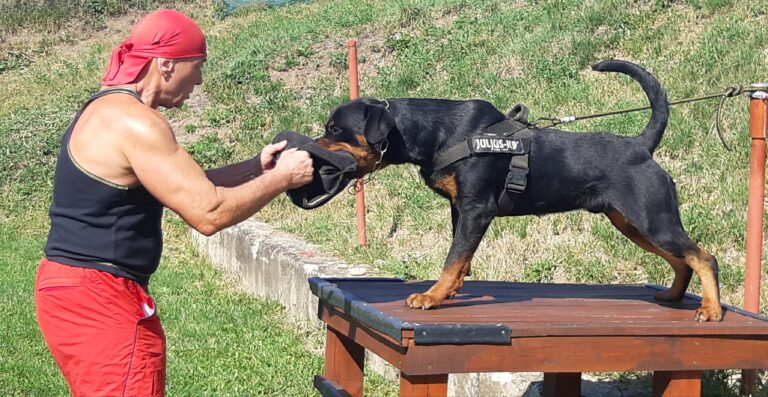
A protection dog is something entirely different. It is trained to live with your family, remain calm and social in everyday situations, and respond with controlled force only when a genuine threat is present. A true protection dog can walk through a crowded street without reacting, play gently with children, and still neutralize a threat within seconds if needed.
The key difference is control. A protection dog is trained to engage and – just as importantly – to stop on command.
Start with Temperament, Not Appearance
One of the biggest mistakes people make is choosing a dog based on how it looks. A large, muscular dog may seem impressive, but size alone tells you nothing about temperament, training, or reliability.
What you should look for instead:
Stable nerves. The dog should remain calm in unfamiliar environments – around new people, loud noises, traffic, and other animals. A dog that is reactive, anxious, or overly excited in normal situations is not suitable for protection work.
Confidence without aggression. A well-trained protection dog is confident and aware of its surroundings, but it does not show unnecessary aggression. A dog that growls at every stranger or lunges on the leash is not well trained – it is a risk.
Willingness to work with a handler. The dog should be focused on its handler and responsive to commands. Protection work is teamwork. A dog that ignores commands or acts independently is dangerous, no matter how strong it is.
Social behavior. The dog must be able to live in a family environment – around children, guests, and daily household activity – without being stressed or reactive.
Verify the Training – Ask for Proof
Anyone can call a dog “trained.” What matters is how it was trained, by whom, and whether that training has been independently verified.
Here is what to ask for:
Titles and certifications. Look for internationally recognized working dog titles such as IGP (Internationale Gebrauchshund Prüfung). A dog with an IGP title has been tested in tracking, obedience, and protection by licensed judges under standardized conditions. Other valuable titles include BH (companion dog test), AD (endurance test), and ZTP (breed suitability test).
Training videos. A reputable trainer should be able to show you the dog working – not just posed photos, but actual training footage demonstrating obedience, control, and protection scenarios.
The trainer’s background. Who trained the dog? What is their experience? Are they involved in working dog organizations, competitions, or breed clubs? A trainer who actively participates in the working dog community is far more credible than someone operating in isolation.
Health documentation. Ask for veterinary records, hip and elbow evaluations, and any genetic testing that has been done. A protection dog is a significant investment – its health should be thoroughly documented.
Consider Your Living Situation
A protection dog is not a piece of equipment you install and forget. It is a living animal that will become part of your daily routine. Before choosing a dog, honestly evaluate your situation:
Do you have experience with working dogs? If this is your first protection dog, you need a dog with a forgiving temperament and a breeder or trainer who will support you through the transition. An experienced handler can manage a high-drive dog – a first-time owner may struggle.
Do you have children? A properly trained protection dog can be wonderful with children. However, you need a dog that has been specifically socialized with kids and has a proven track record of calm behavior around them.
What is your daily routine? Protection dogs need physical exercise, mental stimulation, and ongoing training to maintain their skills. If you travel frequently or have a very inactive lifestyle, consider whether you can meet the dog’s needs consistently.
What is your property like? A dog that will live primarily indoors needs different preparation than one that will patrol a large property. Make sure the trainer understands your specific environment.
The Breed Question – Why We Work with Rottweilers
Several breeds are commonly used for protection work, including German Shepherds, Belgian Malinois, Dobermans, and Rottweilers. Each has its strengths, and the best breed for you depends on your specific needs and lifestyle.
At Working Rottweilers, we focus exclusively on the Rottweiler for several reasons:
Natural protective instinct. Rottweilers have an innate drive to guard their family. This instinct, when properly channeled through training, makes them exceptionally reliable protectors.
Calm confidence. Unlike some high-drive breeds that require constant activity, Rottweilers are known for their calm, composed demeanor. They can switch from relaxed family companion to alert protector in an instant.
Physical presence. The Rottweiler’s size and appearance alone serve as a powerful deterrent. In many situations, their presence is enough – no physical engagement is needed.
Loyalty and bonding. Rottweilers form deep, lasting bonds with their families. This loyalty is not just emotional – it translates directly into their willingness to protect.
However, not every Rottweiler is suitable for protection work. It requires careful selection from proven working bloodlines, professional training, and ongoing evaluation. This is why choosing the right breeder and trainer is just as important as choosing the right breed.
Red Flags – When to Walk Away
Unfortunately, the protection dog market includes sellers who prioritize profit over the welfare of dogs and buyers. Here are warning signs that should make you reconsider:
No verifiable titles or certifications. If a seller claims a dog is trained but cannot provide independently verified proof, be cautious. Words are easy – certified titles are not.
No willingness to demonstrate the dog. A reputable trainer will always offer to show you the dog working in real scenarios. If someone is unwilling to demonstrate the dog’s abilities, ask yourself why.
Pressure to buy quickly. Serious breeders and trainers want to make sure the match is right – for you and for the dog. Anyone pushing you to make a fast decision is likely not prioritizing the right things.
No questions about you. A responsible seller will want to know about your experience, your family, your living situation, and your expectations. If someone is willing to sell a protection dog to anyone with money, that is a problem.
No after-sale support. The transition period when a protection dog moves to a new home is critical. A reputable trainer will offer guidance, follow-up, and ongoing support. If the relationship ends at the point of sale, look elsewhere.
What the Right Choice Looks Like
When everything comes together – the right breed, the right training, the right temperament, and the right match for your family – a protection dog becomes something extraordinary. It is a companion that enriches your daily life while providing a level of security that no alarm system or camera can match.
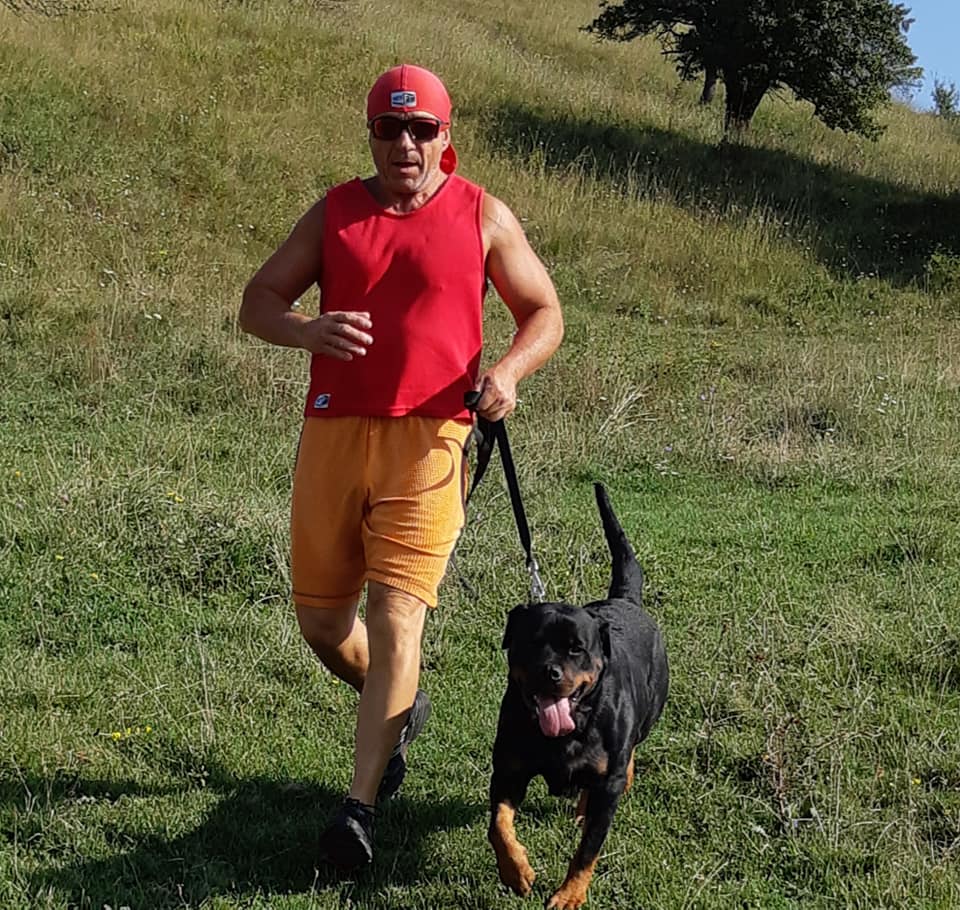
The right protection dog will walk calmly beside you in public, play gently with your children at home, and stand between you and danger without hesitation. That combination of gentleness and strength, of control and courage, is what professional training produces.
Ready to Find Your Protection Dog?
At Working Rottweilers, every dog we place is selected from proven working bloodlines, trained under the guidance of experienced professionals, and evaluated through internationally recognized standards. We do not just sell dogs – we match the right dog with the right family.
If you are serious about adding a trained protection Rottweiler to your family, we invite you to explore our available dogs or contact us to start a conversation. We are happy to answer your questions and help you understand what the right choice looks like for your specific situation.