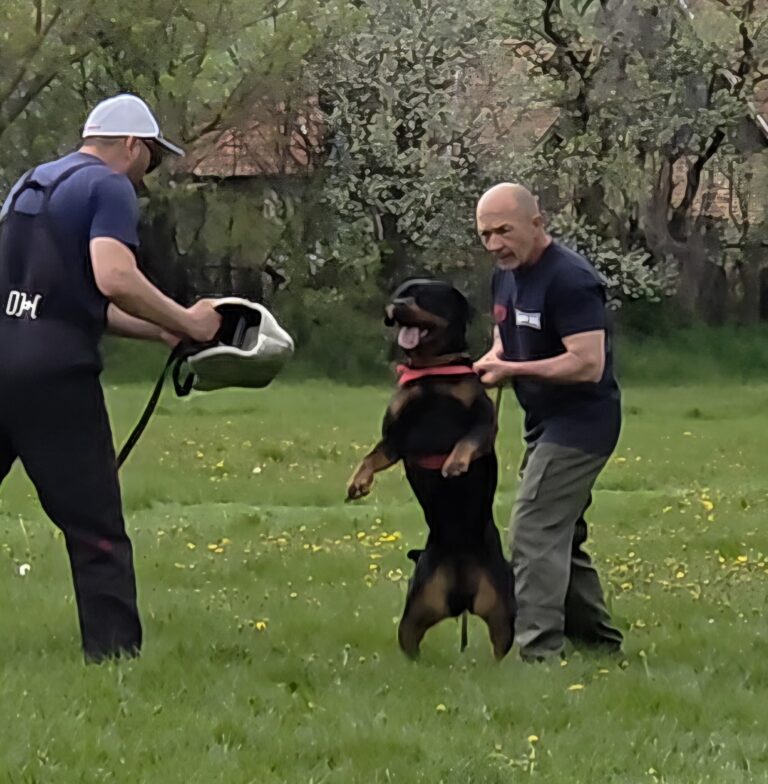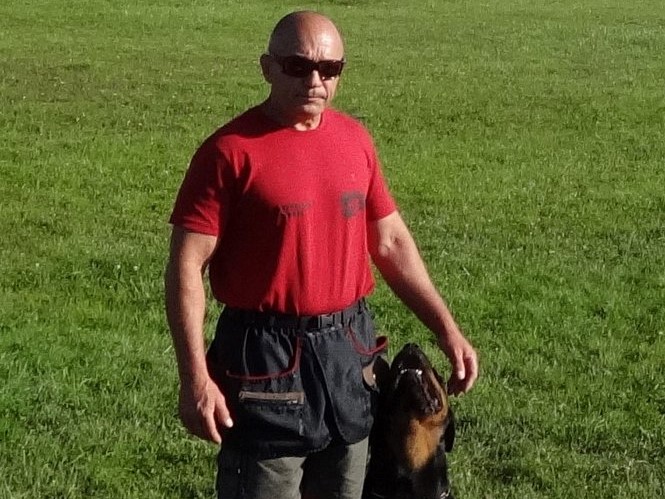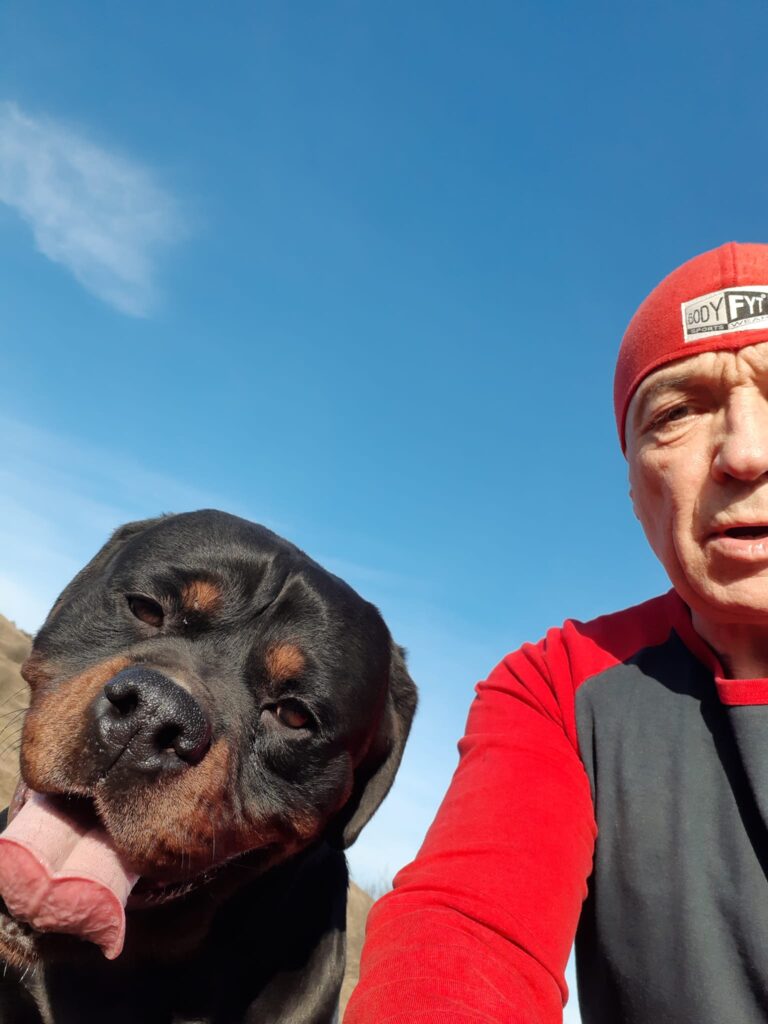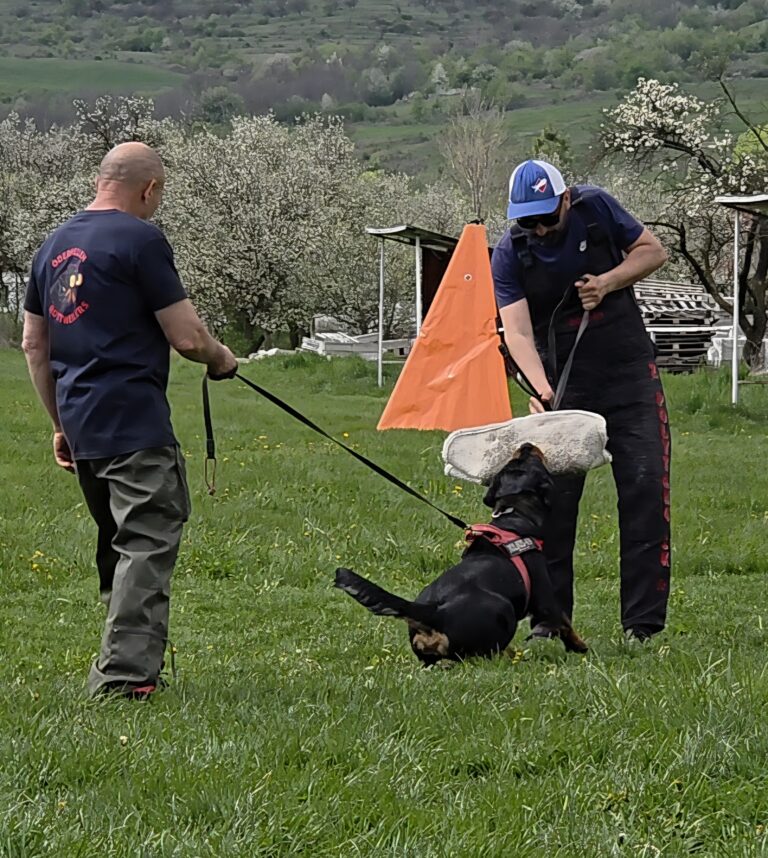
A trained protection dog is one of the most significant investments you can make in your personal security. Unlike an alarm system or a security camera, a protection dog is a living, thinking partner that adapts to situations in real time and provides a level of safety that technology simply cannot match.
But buying a trained protection dog is not something you should rush into. It is a decision that requires careful thought, honest self-assessment, and a clear understanding of what you are getting into. Here are five essential things you need to know before making that commitment.
1. A Trained Protection Dog Is Not a Weapon – It Is a Partnership
This is the most important mindset shift for anyone considering a protection dog. A trained protection dog is not something you buy, place in your yard, and forget about. It is a highly skilled animal that requires an ongoing relationship with its handler to function at its best.
The dog’s training is built on trust, communication, and consistency. When it moves to your home, it needs to build that same relationship with you. This does not happen overnight. It requires daily interaction, continued practice of commands, and a structured routine that gives the dog clarity about its role in your household.
People who treat a protection dog as a tool rather than a partner are often disappointed. The dog may not respond as expected because it has not bonded with its new handler. But people who invest time in building that relationship discover something remarkable – a companion that is both deeply loyal and absolutely reliable when it matters most.
2. The Price Reflects the Training, Not Just the Dog
Trained protection dogs are expensive. Depending on the level of training, breed, and the reputation of the trainer, prices can range from several thousand to tens of thousands of euros. For many buyers, this is the first and biggest question: why does it cost so much?
The answer is time. A properly trained protection dog represents years of work – not weeks or months. Consider what goes into producing a reliable protection dog:
Selective breeding. The process starts before the dog is even born. Responsible breeders select parent dogs based on temperament, health, working ability, and proven bloodlines. This is not random – it is a deliberate, knowledge-intensive process.
Early development. From birth, the puppy is raised in an environment designed to build confidence, social skills, and a stable temperament. Proper early socialization is critical and cannot be shortcut.
Progressive training. The dog goes through months or years of structured training – basic obedience, advanced obedience, tracking, protection work, scenario training, and environmental exposure. Each phase builds on the previous one.
Testing and certification. A dog with IGP titles has been formally evaluated by licensed judges in tracking, obedience, and protection. This independent verification adds significant value and credibility.
Daily care. Throughout this entire process, the dog needs quality nutrition, veterinary care, proper housing, and daily attention from experienced handlers.
When you buy a trained protection dog, you are not paying for just the animal – you are paying for everything that went into making it reliable. A low price should raise questions, not excitement.
3. Your Lifestyle Must Support the Dog’s Needs
A trained protection dog is adaptable, but it is not infinitely flexible. Before buying, you need to honestly evaluate whether your daily life can support the dog’s physical, mental, and emotional needs.
Exercise. Protection dogs need regular physical activity. This does not mean you need a huge property – but you do need to commit to daily walks, play sessions, and structured training time. A dog that sits idle all day will deteriorate, both physically and mentally.
Consistency. Dogs thrive on routine and clear expectations. If your household is chaotic, with constantly changing schedules and no structure, the dog will struggle to maintain its training. Consistency in commands, rules, and daily routine is essential.
Ongoing training. A protection dog’s skills are perishable. If you never practice obedience commands, never reinforce protection behaviors, and never challenge the dog mentally, its abilities will fade over time. You do not need to be a professional trainer, but you do need to maintain what was built.
Family alignment. Everyone in the household needs to understand and respect the dog’s role. If one family member undermines the training – by encouraging bad habits, ignoring commands, or treating the dog inconsistently – it creates confusion. The best results come when the entire family is aligned on how the dog is managed.
Travel and absences. What happens when you go on vacation or travel for work? A protection dog cannot simply be dropped off at any boarding facility. You need a plan for care that maintains the dog’s routine and training. Some trainers offer boarding services for their placed dogs – this is worth asking about.
4. The Transition Period Is Critical
When a trained protection dog moves from its trainer to your home, there is always a transition period. This is normal and expected – but how you handle it determines whether the placement succeeds or fails.
During the first few weeks, the dog is adjusting to a new environment, new people, new routines, and new expectations. It may not perform exactly as it did with its previous handler. This is not a sign of poor training – it is a natural part of the bonding process.
Here is what to expect and how to manage it:
Be patient. Give the dog time to observe, explore, and settle into your home. Do not overwhelm it with new experiences in the first few days. A calm, structured introduction works best.
Establish yourself as the handler. Start with basic obedience commands – sit, down, heel, come. These are familiar exercises that help the dog connect with you through training. Practice daily, in short sessions, with clear and consistent commands.
Follow the trainer’s guidance. A responsible trainer will provide detailed instructions for the transition period – what commands to use, how to manage the dog’s routine, what to expect, and what to avoid. Follow these instructions carefully.
Maintain structure. Feed at the same times, walk at the same times, train at the same times. Structure reduces stress and helps the dog understand its new life quickly.
Do not test the dog’s protection work immediately. Some buyers want to see the dog “in action” right away. This is a mistake. The dog needs to bond with you first. Protection work should only be practiced under the guidance of a professional, especially in the early stages.
Most well-trained dogs settle into their new homes within 2–4 weeks. After that, the bond deepens steadily over the following months.
5. Choose the Right Source – It Makes All the Difference
Where you buy your protection dog is arguably the most important decision in this entire process. The right source will set you up for success. The wrong one can leave you with a dog that is poorly trained, unhealthy, or unsuitable for your needs.
Here is what to look for in a reputable protection dog provider:
Proven track record. How long have they been training protection dogs? Do they have verifiable client references? Can you see dogs they have previously placed?
Transparent training history. Every dog should come with a clear record of its training, titles, health evaluations, and temperament assessments. If a seller cannot or will not provide this documentation, that is a serious red flag.
Involvement in the working dog community. Trainers who compete in IGP trials, participate in breed clubs, and engage with other working dog professionals are held to a higher standard. Their work is visible and verifiable.
Willingness to match, not just sell. A reputable provider will ask detailed questions about your experience, lifestyle, family, and expectations. They will recommend a specific dog based on your needs – not push whatever dog they want to sell. If a seller does not ask about you, they do not care about the placement.
After-sale support. The relationship should not end at the point of sale. A good provider will offer guidance during the transition, answer questions as they arise, and remain available for ongoing support. Some offer follow-up training sessions, phone consultations, or even temporary boarding if needed.
Making the Right Decision
Buying a trained protection dog is not a casual purchase – it is the beginning of a working relationship that will shape your daily life and your family’s security for years to come. The more informed and prepared you are, the better that experience will be.
Take your time. Ask hard questions. Visit the trainer if possible. Meet the dog before committing. And choose a source that values the placement as much as you do.
At Working Rottweilers, we take this process seriously. Every dog we place is selected, trained, and evaluated with the same care we would apply if it were going to our own family. We are always happy to answer questions, share our process, and help you understand whether a trained protection Rottweiler is the right choice for you.
Explore our available dogs or contact us to start the conversation.