If you are searching for the best trained guard dogs for sale, the first question is not breed. It is whether the dog has been prepared for real life. A serious protection dog must do more than look powerful, bark on command, or perform on a training field. It must live safely in a home, stay clear-headed under pressure, and respond to its handler with precision.
That standard rules out a large share of dogs marketed as protection dogs. Many are high-drive animals with partial obedience, flashy bite work, and very little proof of stability in everyday settings. For a buyer focused on family safety, home security, or property protection, that is not enough. The right dog is defined by control, temperament, and reliability first.
What Makes the Best Trained Guard Dogs for Sale
A properly trained guard dog is not just a deterrent. It is a working animal developed to make correct decisions under stress and remain safe around the people it lives with. That means training matters, but breeding matters just as much. A dog with weak nerves, unstable behavior, or poor environmental confidence cannot be fixed by advanced bite work.
The best dogs are selected and built from the ground up. They come from sound working lines, mature through structured development, and receive obedience that holds under distraction. They are social when appropriate, neutral when needed, and defensive only when the situation calls for it. That balance is what separates a true protection dog from a liability.
For most buyers, the best trained guard dog is not the hardest dog, the most aggressive dog, or the dog with the biggest presence. It is the dog that can switch on when necessary and switch off the moment the handler requires it. If that control is missing, the dog is not finished.
Breed Matters, but Temperament Matters More
Some breeds appear often in the conversation around trained protection dogs, and for good reason. German Shepherds, Belgian Malinois, Dobermans, and Rottweilers all have working histories tied to guarding, service, and control. But even within proven breeds, quality varies widely.
A poor candidate from a respected breed is still a poor candidate. Buyers sometimes focus too heavily on appearance, size, or reputation. That can lead to expensive mistakes. A large dog that is nervy, overreactive, or difficult to handle does not improve security. It creates risk inside the home and uncertainty in public.
This is why experienced protection dog providers evaluate the whole dog. Nerve strength, environmental stability, clear-headedness, handler engagement, prey and defense balance, and trainability all matter. The breed opens the door. The individual dog determines whether it should be trusted.
Why Rottweilers Stand Out
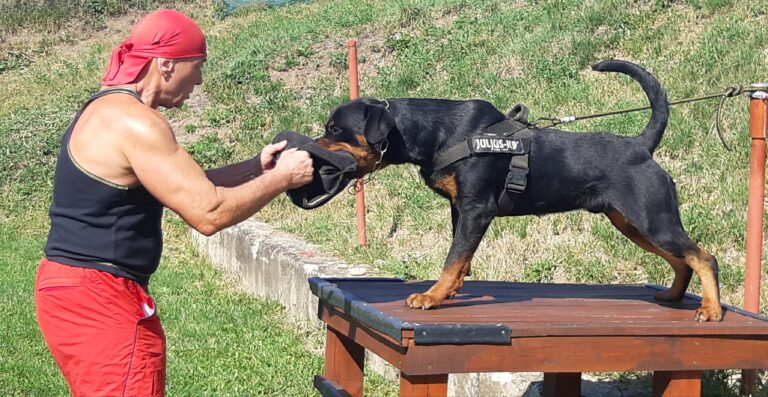
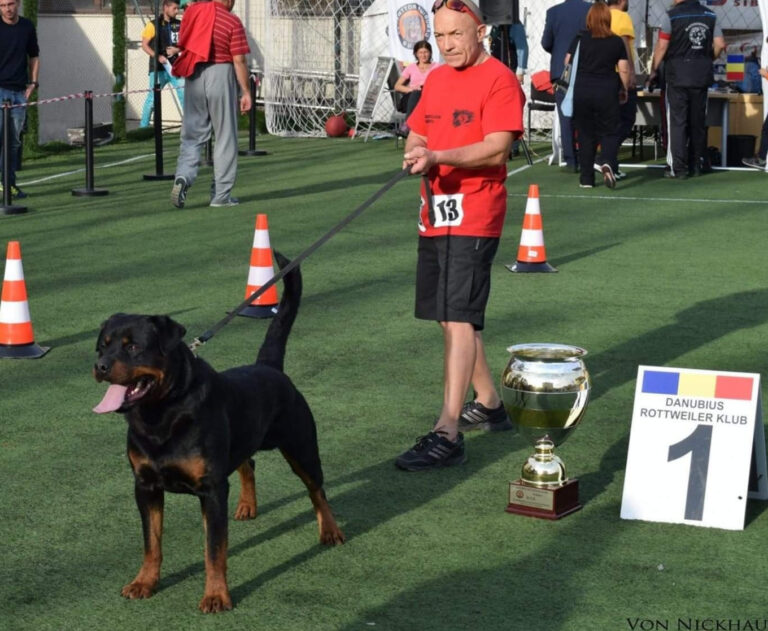
For buyers who want strong physical presence without sacrificing control, a well-bred and properly trained Rottweiler remains one of the strongest options available. A serious working Rottweiler combines confidence, power, territorial instinct, and stable obedience in a way few breeds can match.
That does not mean every Rottweiler is suitable for protection work. In fact, many are not. The difference comes from breeding standards, development, and professional training. A working Rottweiler should be socially stable, environmentally sound, physically capable, and mentally clear. It should not be frantic, suspicious without reason, or difficult to shut down.
For family and property protection, that balance is valuable. A dog that can live in the home, remain steady around routine activity, and still present a credible defensive response when needed is far more useful than a dog that is all intensity and no control. That practical reliability is exactly what serious buyers should be paying for.
Red Flags When Evaluating Trained Protection Dogs
The protection dog market includes excellent dogs, average dogs, and dogs that should never be sold as finished security animals. Buyers who are new to this space often assume a high price means high quality. It does not. A premium dog should come with proof of preparation, not just marketing language.
One red flag is heavy emphasis on bite work with very little discussion of obedience, neutrality, or household behavior. Another is vague language around temperament. If a seller talks about drive and aggression but avoids specifics on control, off-switch, social behavior, and handling, be cautious.
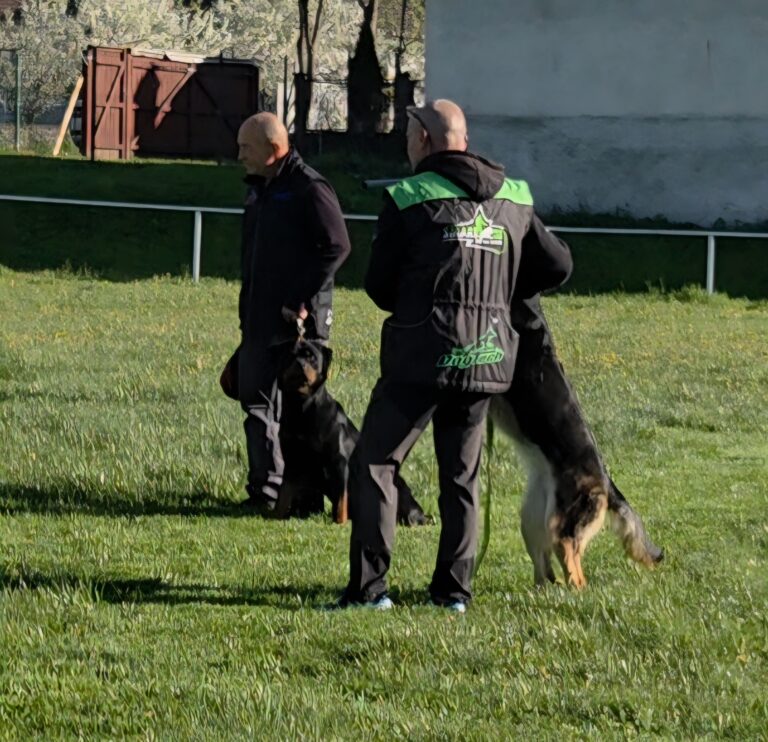
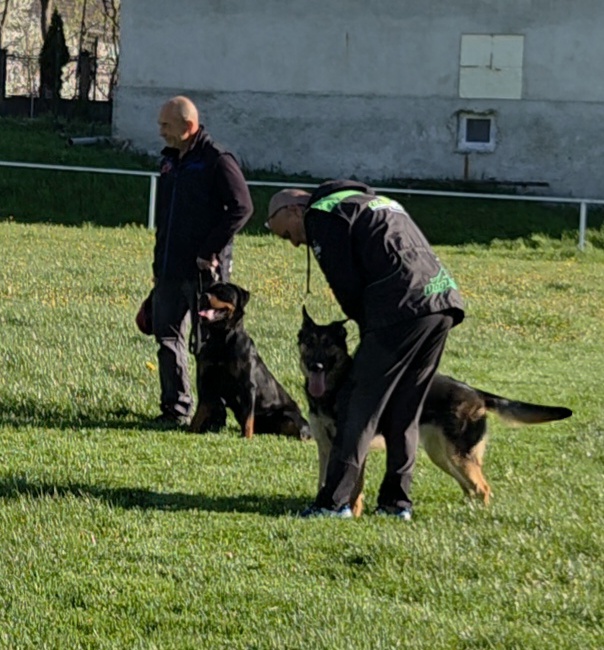
It also matters how the dog performs outside the training environment. A dog that works on a field in sleeves and suits may not be the same dog in a driveway, front entry, vehicle, or family setting. Serious providers test for real-world usability. They do not rely on staged demonstrations alone.
Health and breeding transparency matter too. Orthopedic soundness, nerve quality, and working pedigree all affect long-term reliability. A dog can look impressive at first and still become a poor investment if structure, genetics, or mental stability were neglected during development.
What Buyers Should Expect From a Finished Dog
A finished protection dog should arrive with more than commands. It should arrive with a framework the owner can live with. That includes reliable obedience, clear handler communication, environmental confidence, and a temperament suitable for the buyer’s lifestyle.
The dog should understand boundaries, crate routine, vehicle routine, public handling, and in-home behavior. It should recover quickly from stimulation, remain steady around normal movement and noise, and show no unnecessary instability. Protection ability is only one part of the package.
Buyers should also expect transition support. Even an excellent dog needs correct handling in a new home. The transfer process matters because the dog must learn the new handler, environment, and expectations. Without that step, a well-trained dog can become inconsistent simply because the human side of the equation was rushed.
The Right Dog Depends on Your Situation
Not every buyer needs the same level of dog. A family with children, regular visitors, and suburban routines needs a different dog than a rural property owner or business operator with larger perimeter concerns. The best fit depends on daily life, experience level, and how the dog will actually be used.
Some clients need strong deterrence and advanced obedience with moderate protection capability. Others need a higher level of personal or estate security. The mistake is buying based on image instead of application. A dog that exceeds the handler’s skill or household structure can be just as problematic as one that falls short.
That is why honest consultation matters. A responsible provider should steer buyers toward the dog that fits their reality, not simply the dog with the highest price or most dramatic presentation.
Why Training Standards Matter More Than Sales Language
Terms like personal protection dog, family protection dog, and guard dog are used loosely across the market. Those labels only mean something if the training behind them is consistent and verifiable. A serious dog should show obedience under pressure, controlled defensive behavior, and dependable engagement with its handler.
Working standards matter because they create accountability. Dogs developed through disciplined methods and tested working frameworks are more likely to have the clarity and control needed for actual security use. That is one reason many informed buyers prioritize dogs produced through IGP-oriented working programs and proven breeding decisions rather than trend-driven litters.
At Working Rottweilers, that distinction is central. The value is not in selling a dog that looks the part. The value is in producing a dog that can live with your family, protect when needed, and remain under control at all times.
The Best Purchase Is the Dog You Can Trust
When people look for the best trained guard dogs for sale, they often start with breed, size, or appearance. The better approach is to start with trust. Can this dog be relied on in the home, in public, under stress, and in the exact situations that matter to you?
That trust is earned through breeding discipline, serious training, and honest placement. A finished protection dog should bring peace of mind, not daily uncertainty. It should make your environment safer because it is stable, responsive, and prepared for real use.
If you are investing at this level, do not buy a promise. Buy proven character, proven control, and a dog selected for the job it will actually do in your life. That is where real protection starts.