When people search for the best personal protection dogs for sale, they are usually not looking for a status symbol. They are looking for peace of mind they can trust at home, on their property, and around the people who matter most. That changes the standard immediately. A real protection dog is not defined by size, appearance, or internet hype. It is defined by stability, control, obedience, and the ability to respond correctly under pressure.
The market is full of dogs advertised as protection-ready, but many fall short where it matters. Some are overly defensive, poorly socialized, or trained for dramatic demonstrations rather than everyday life. Others come from breeding programs focused more on looks than working ability. If your goal is real security, the right dog must be safe in the home, clear in the head, and reliable when the environment is unpredictable.
What makes the best personal protection dogs for sale
The best personal protection dogs for sale are not simply aggressive dogs with bite training. In fact, uncontrolled aggression is a liability, not an asset. A quality protection dog must have a stable temperament first. That means confidence without nervousness, social control without softness, and the judgment to remain neutral until a real threat is present.
Obedience is equally critical. Protection without control is not protection. A dog should respond to commands consistently, around distractions, in public settings, and under stress. That level of control is what allows a dog to live as a companion and work as a deterrent when necessary.
Training quality matters just as much as genetics. A dog can have strong drives and good instincts, but without proper development, those traits can become difficult to manage. The best candidates are bred for working character and then trained through a structured program that builds obedience, environmental stability, social neutrality, and clear protection responses.
This is why serious buyers look beyond labels. Terms like family protection dog or executive protection dog can sound impressive, but they only matter if the dog has the right foundation. Real-world performance always comes back to nerve, training, and handler control.
Breed matters, but not in the way most buyers think
Many breeds are marketed in the protection space, including German Shepherds, Belgian Malinois, Dobermans, and Giant Schnauzers. Each has strengths, but breed alone does not determine whether a dog is right for your home or security needs. Within every breed, quality varies widely.
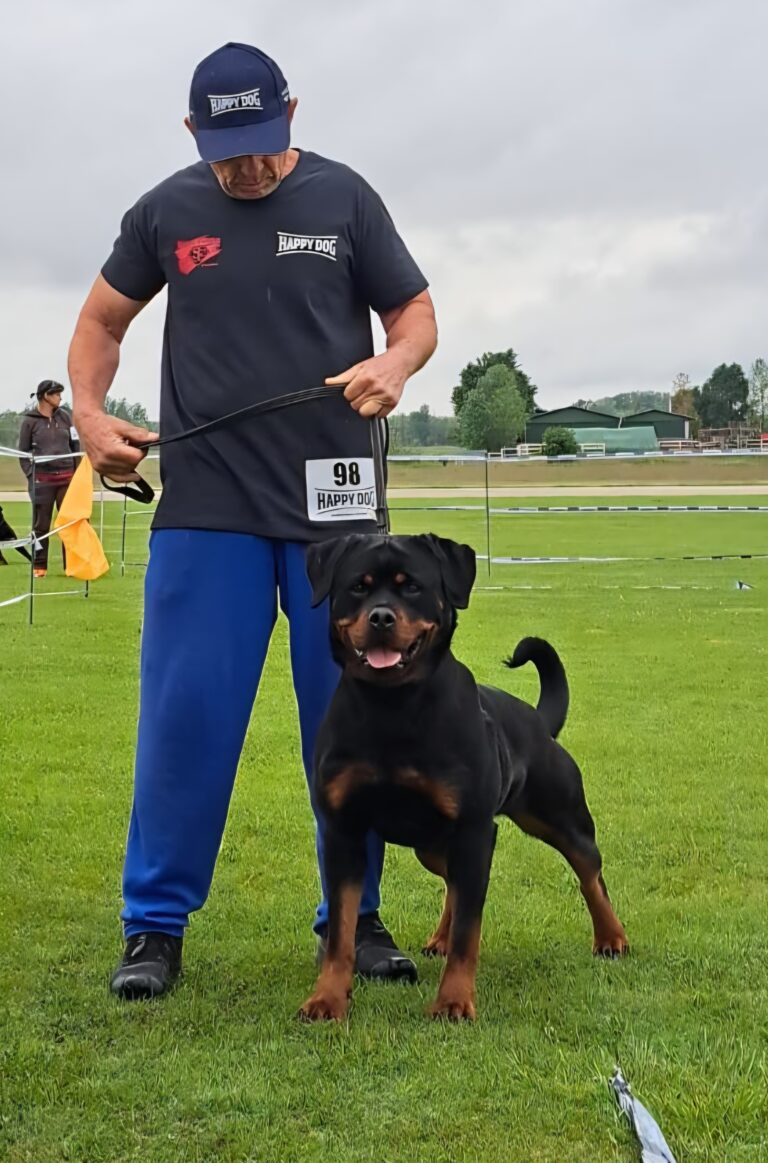
For many buyers, the Rottweiler stands apart because it combines physical power, natural guarding instinct, strong environmental confidence, and a steadier home presence than some higher-drive working breeds. A properly bred and trained Rottweiler can be serious when needed and calm when not. That balance is what makes the breed especially effective for family and property protection.
That said, not every Rottweiler belongs in protection work. Some are too soft, some are too sharp, and many are bred for appearance rather than function. The difference between a pet-quality Rottweiler and a true personal protection prospect is substantial. Buyers should be looking for proven working lines, clear-headed temperament, and training that reflects real-life use rather than staged routines.
Temperament is the first test
A personal protection dog lives close to people. That means temperament cannot be an afterthought. The dog should be stable around family, neutral with invited guests when properly introduced, and confident in unfamiliar settings. Fearful dogs are unpredictable. Overly reactive dogs create problems. The right dog shows judgment.
A stable dog does not need to posture constantly. It does not bark at every movement or become unsettled by normal daily activity. Instead, it carries itself with confidence and remains responsive to the handler. That is what buyers should want. Visible intensity may impress online, but in daily life, clear-headed control is far more valuable.
This is especially important for families. Children, visitors, delivery activity, travel, and changing routines all put pressure on a dog’s stability. A true protection dog must be able to distinguish normal life from a real threat. That ability comes from both genetics and training, and neither can be skipped.
Training should match real life, not just the training field
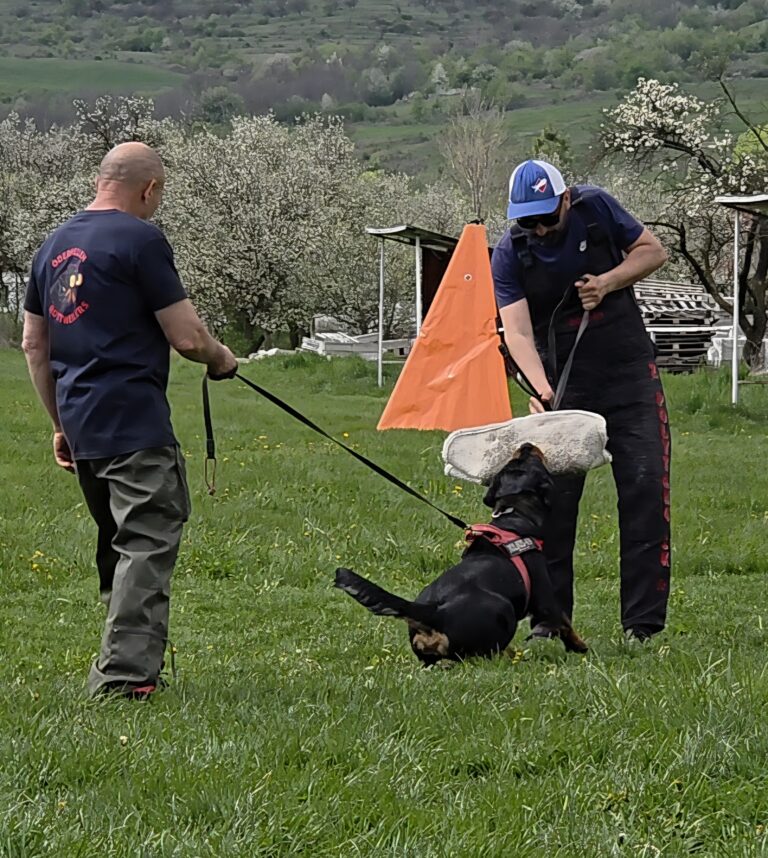
One of the biggest mistakes buyers make is assuming any protection title or bite-work exposure means a dog is ready for personal security work. Sport training has value, but personal protection requires broader preparation. The dog must function in homes, vehicles, public spaces, and unpredictable environments. It must recover quickly, stay engaged with the handler, and remain composed through pressure.
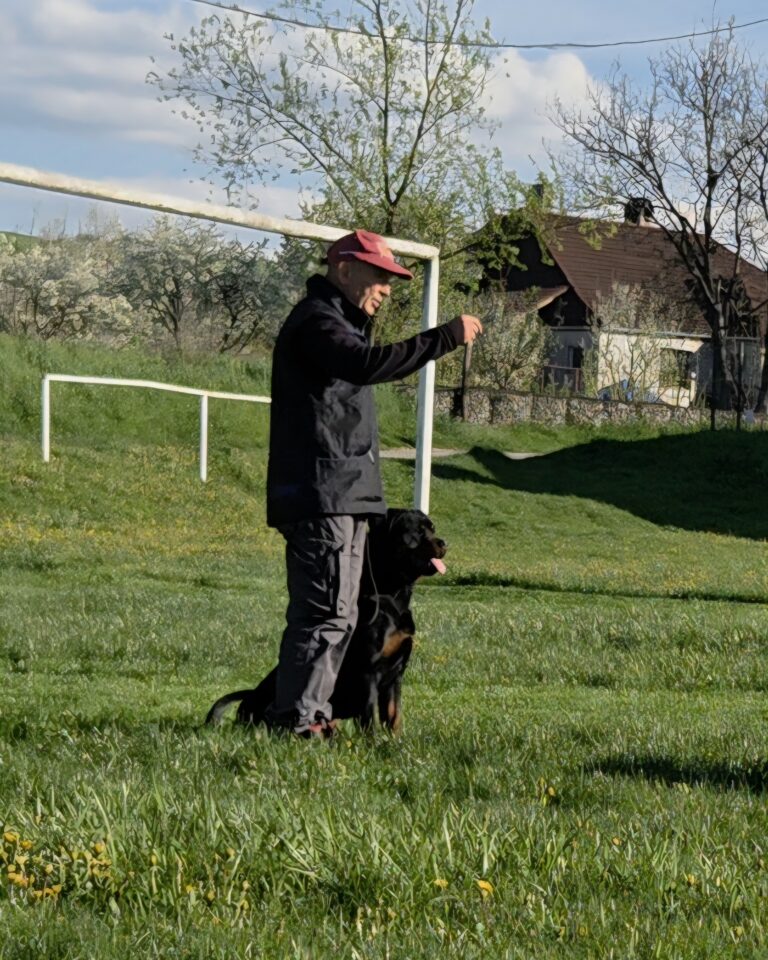
A well-prepared dog should understand obedience thoroughly, not just mechanically. It should out on command, hold boundaries, and transition from active protection back to neutrality without conflict. This is where professional development separates serious dogs from risky ones.
The best providers also prepare the owner, not just the dog. Even a highly trained dog needs proper handling, structure, and consistent expectations in the home. That is why handoff training and owner education matter. The purchase is only one part of the process. Long-term success depends on how well the dog and owner work together after placement.
Red flags when reviewing personal protection dogs for sale
A protection dog should never be sold on intimidation alone. If the seller focuses only on bite strength, aggression, or dramatic videos, that is a warning sign. Serious providers talk about obedience, temperament, social behavior, environmental confidence, and control just as much as protection work.
Another concern is vague training language. If a dog is described as naturally protective but there is little evidence of structured obedience or scenario-based training, the buyer may be paying for potential rather than a finished dog. That can become an expensive and unsafe mistake.
Health and breeding transparency also matter. Orthopedic soundness, working pedigree, and ethical breeding practices affect both performance and longevity. A dog built for protection work must be mentally and physically capable of doing the job without instability or breakdown.
Price can mislead people in both directions. A cheap dog marketed as protection-ready is often exactly that – marketed. On the other hand, a high price alone does not prove quality. Buyers should expect premium pricing for a well-bred, professionally trained dog, but the investment needs to be supported by substance, not sales language.
Why Rottweilers remain a top choice
For buyers who want a serious deterrent with dependable home presence, the Rottweiler remains one of the strongest options available. A correct working Rottweiler brings natural territorial awareness, strong nerves, physical authority, and a calm, watchful temperament. That combination is difficult to replace.
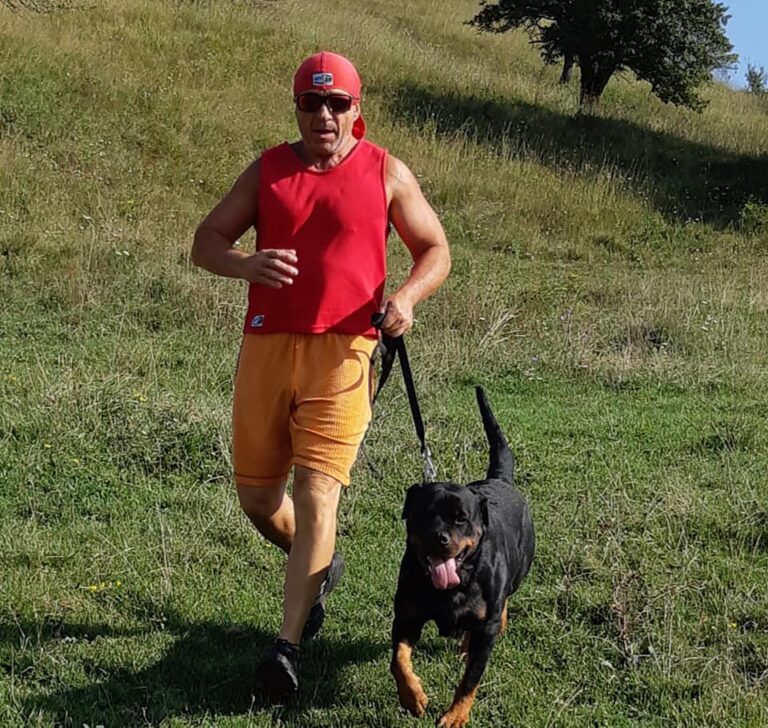
In practical terms, this means the dog can integrate into daily life without constant agitation while still presenting a credible defensive presence. For many households and property owners, that is the right balance. A dog that is too environmentally busy or excessively high-drive may be impressive on a field but harder to live with in a normal home.
This is where a specialist matters. A provider focused on working Rottweilers understands the difference between a dog that looks the part and a dog that can actually perform with control. Programs built around IGP-certified working standards, ethical breeding, and real owner usability tend to produce more dependable outcomes than general breeders entering the protection market as an add-on service.
Choosing the right dog for your situation
The right protection dog depends on your environment, your experience level, and your goals. A family with children may need a different dog than a single owner with a large rural property. An executive who travels frequently may need strong environmental neutrality and ease of handling in public settings. A property owner may prioritize visible deterrence and perimeter awareness.
This is why one-size-fits-all recommendations are rarely useful. The best match is the dog whose temperament, training stage, and working style fit the buyer’s actual life. A good provider will ask detailed questions before recommending a dog. If there is no evaluation of your home, routines, experience, or expectations, the placement process is incomplete.
Buyers should also be honest about responsibility. A trained protection dog is not a shortcut around personal security planning. It is a serious working animal that requires structure, consistency, and continued handling. When placed correctly, that investment brings a level of confidence and protection few other security tools can match. When placed carelessly, it creates avoidable risk.
Working Rottweilers approaches this category with the seriousness it deserves – focusing on stable temperament, working ability, and owner-ready control rather than appearance or hype. That standard is what serious buyers should expect from any provider they consider.
If you are evaluating protection dogs, start with the question that matters most: not which dog looks the strongest, but which dog has been bred and trained to protect with discipline. That is the dog worth bringing home.
One Comment