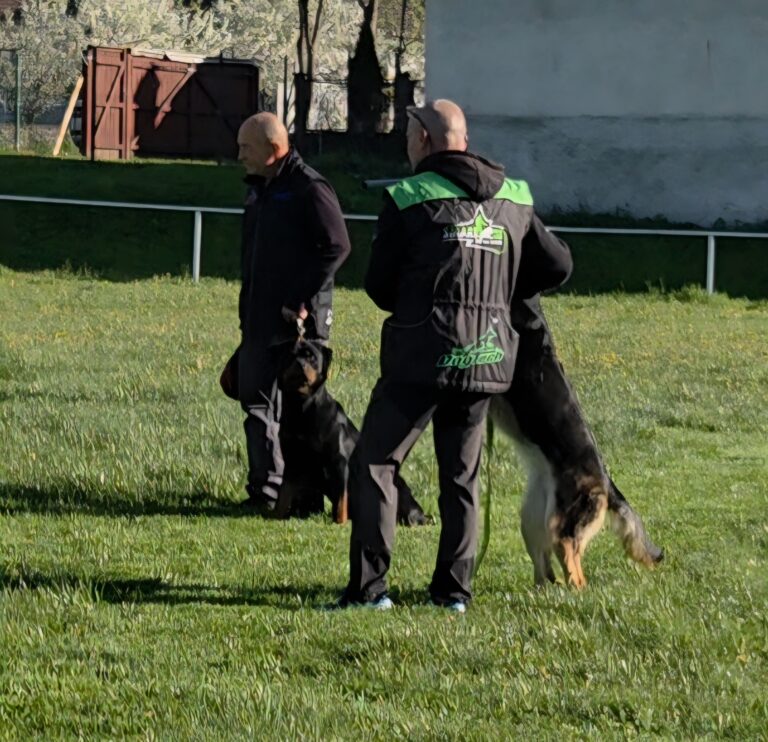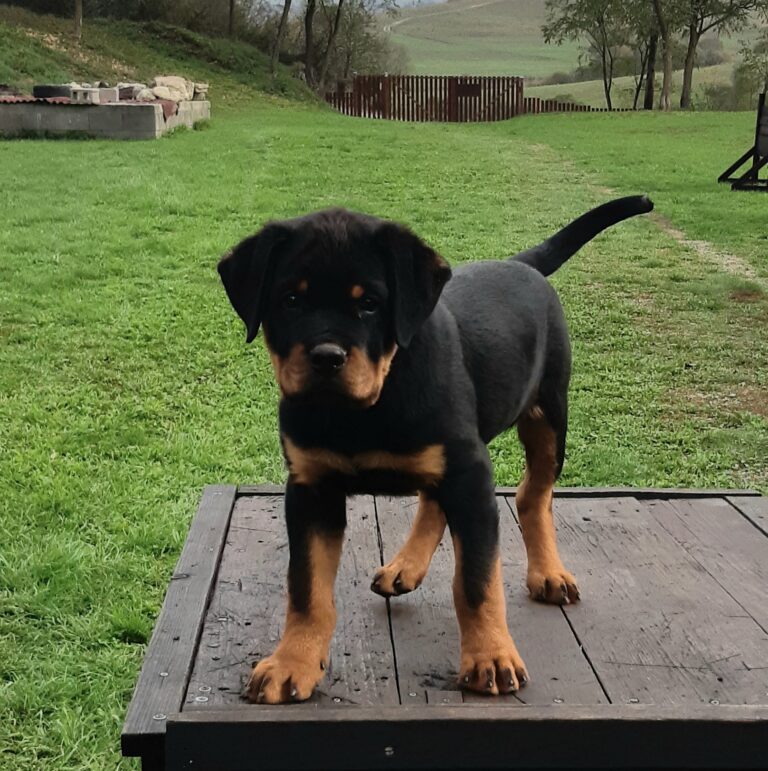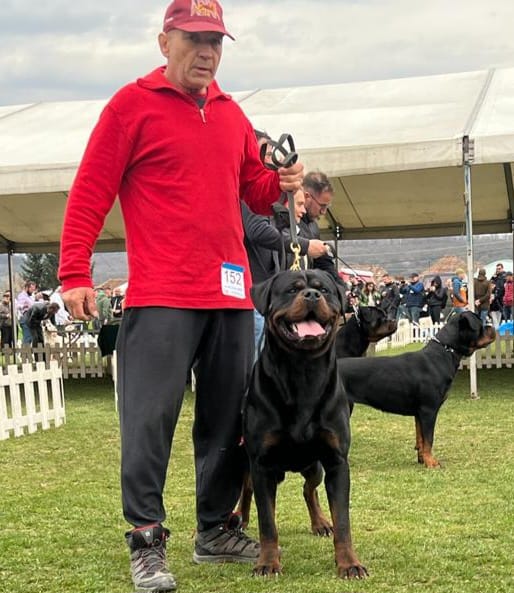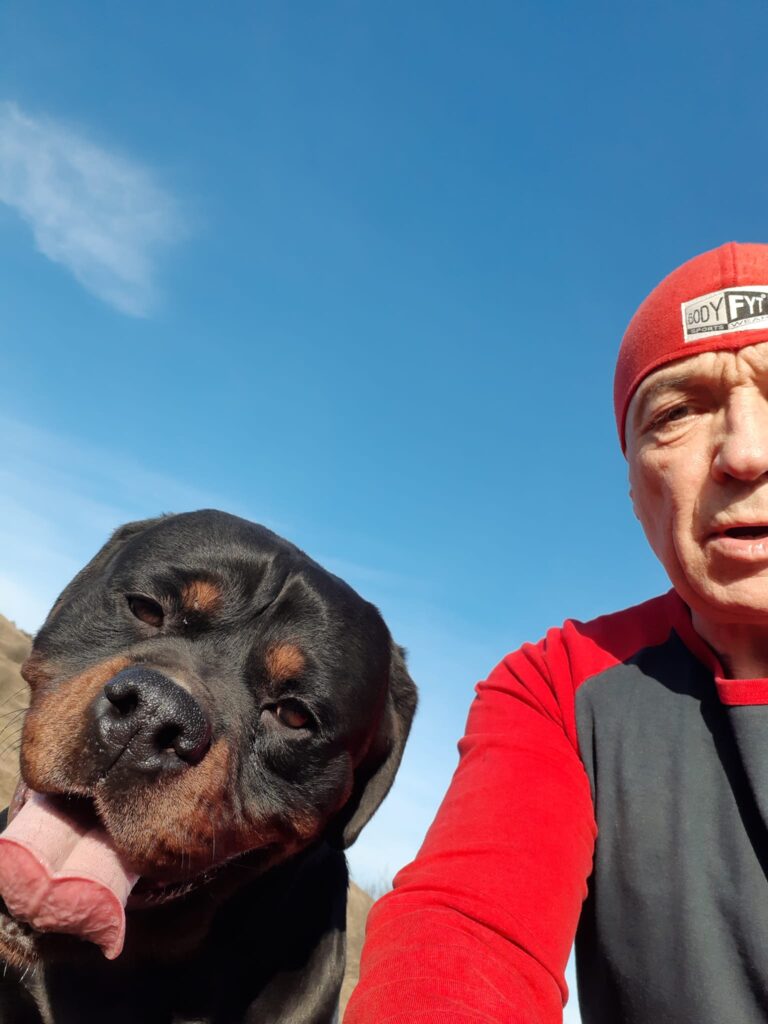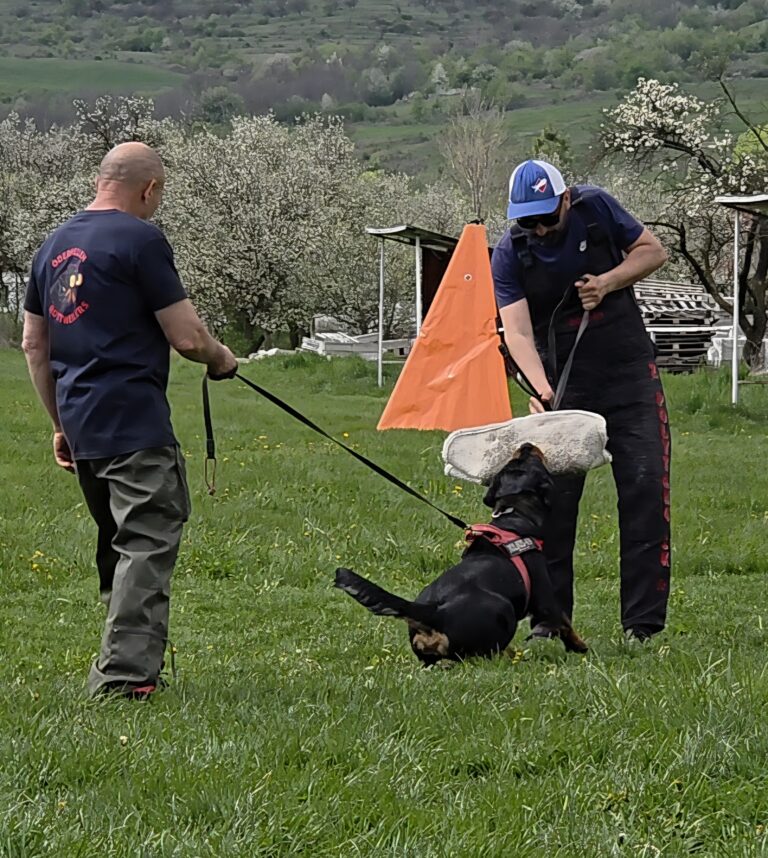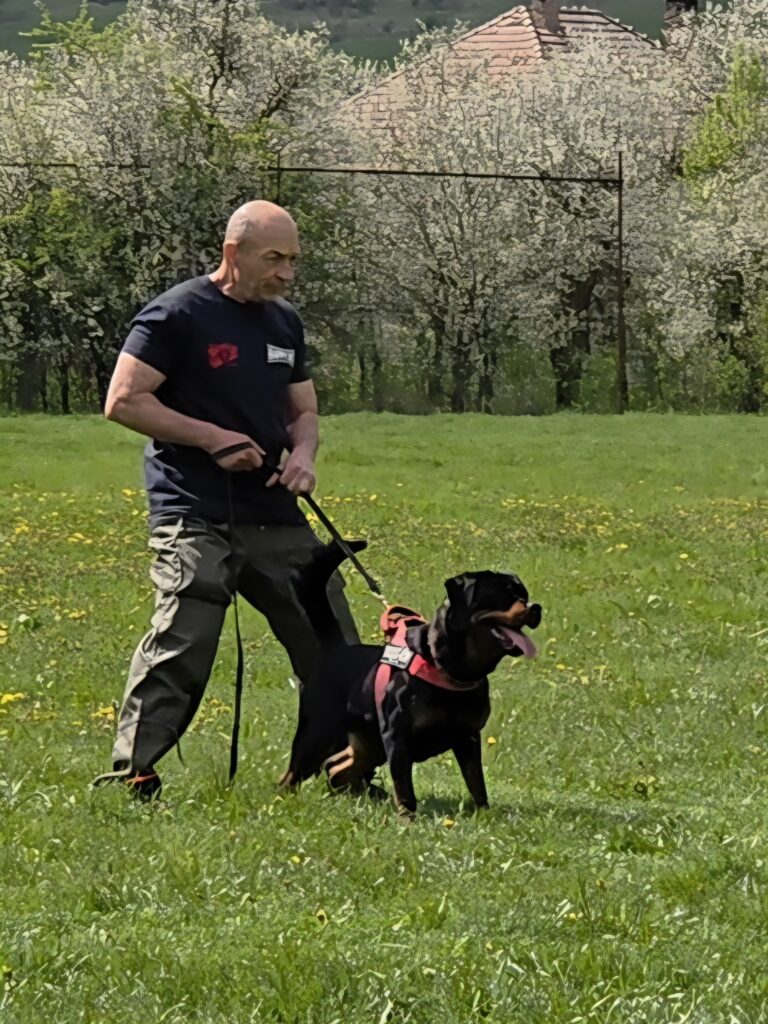
The wrong protection dog creates stress where you wanted peace of mind. The right family protection dog for sale brings the opposite – calm presence in the home, clear obedience in public, and real capability if a threat ever develops.
That difference is not marketing. It comes from breeding, nerve strength, training quality, and how honestly a dog has been prepared for daily life. For families, that standard matters even more. You are not buying a dog to perform for a video clip or impress visitors. You are investing in an animal that must live around children, routines, guests, vehicles, and unpredictable moments without losing control.
What a family protection dog for sale should actually be
A true family protection dog is not simply a large dog with a hard bark. Size alone does not create safety. A dog that is reactive, unstable, or poorly managed can make your environment less secure, not more.
What you want is a trained working dog with stable temperament, clear-headed behavior, and dependable obedience under pressure. That means the dog can settle in the home, travel well, respond to commands, and distinguish between normal activity and genuine threat. In practical terms, the dog should be social enough to function in family life and serious enough to engage when properly handled.
This is where many buyers get misled. Some dogs are sold as protection dogs because they are territorial, noisy, or difficult to control. That is not the same as trained protection. Real protection work is built on discrimination, structure, and handler control. The dog must be able to switch on when required and switch off when the situation is safe.
Temperament matters more than image
A family setting exposes a dog to constant variation. Children move quickly. Deliveries happen at the door. Friends visit. Cars pull into the driveway late at night. A protection dog in that environment cannot be unstable, environmentally weak, or socially chaotic.
The best candidates are confident, balanced, and environmentally sound. They do not need constant agitation to look effective. In fact, excessive nervous energy is often a warning sign. A dog with weak nerves may bark harder, but that does not mean it has the judgment or control needed for real-life use.
For serious buyers, temperament should be evaluated ahead of appearance. A strong head, broad frame, or dark markings may attract attention, but those qualities do not tell you how the dog handles pressure. Working ability, recovery, trainability, and steadiness around the family matter more.
This is one reason experienced buyers often prefer working-line dogs developed for performance rather than trend-driven breeding. The goal is not a show-ring look. The goal is a dog that can live safely with its owners and respond correctly when circumstances change.
Training quality is the real dividing line
When people search for a family protection dog for sale, they often focus first on breed, age, or price. Those factors matter, but the training program behind the dog matters more.
Protection training should never exist without advanced obedience. The dog should understand clear commands, maintain control through distraction, and demonstrate reliable behavior in ordinary environments. That includes leash work, place command, crate manners, vehicle loading, social neutrality, and controlled response around strangers.
Protection itself should be built with discipline. The dog should not show random aggression or impulsive behavior. It should engage when directed or when a legitimate threat crosses a threshold it has been trained to recognize. Even then, control is everything. A serious protection dog must be recallable, out on command, and capable of returning to neutrality.
This is where standards matter. Dogs trained under proven working frameworks, including IGP-based foundations when applied correctly, tend to show better structure in obedience, grip development, environmental confidence, and handler clarity. That does not mean every titled dog is ideal for a family, but it does mean the training process is often more accountable and more measurable.
Why breed selection still matters
Not every breed fits the same protection role. A family dog that also provides security must combine presence, stability, trainability, and strong bonding with its owners.
Rottweilers remain one of the strongest choices when bred and trained correctly. They bring natural guarding instinct, physical power, and a level-headed working character that suits home and family life. A well-developed Rottweiler should not be frantic or flashy. It should be composed, observant, and serious when needed.
That said, not every Rottweiler is suitable. Poor breeding can produce insecurity, weak nerves, health issues, or unstable temperament. Poor training can create confusion and liability. Buyers should be careful not to assume the breed name alone guarantees quality. The individual dog and the program behind it are what count.
For that reason, businesses focused on working standards rather than casual breeding tend to offer a more dependable path. Working Rottweilers, for example, reflects the kind of specialized approach serious buyers should look for – one built around control, function, and real-world use rather than appearance alone.
What to ask before you buy
A serious seller should be able to explain exactly how the dog was bred, raised, socialized, and trained. If the answers are vague, inconsistent, or built around hype, that is a problem.
Ask how the dog performs in the house, around guests, and in public settings. Ask whether the dog is crate trained, vehicle trained, and accustomed to family structure. Ask what level of protection training has been completed and what level of handler skill is expected after placement. You should also ask about health testing, working pedigree, and whether the dog has been exposed to realistic environments rather than only training fields.
Video can be helpful, but only to a point. Short clips often show the most dramatic moments while hiding weak obedience, poor recovery, or lack of household stability. A better evaluation includes live handling, neutral behavior, transitions from calm to engagement, and the dog’s ability to out cleanly and return to control.
You should also pay attention to whether the seller screens you. Responsible providers do not place serious dogs into every home that can afford one. They want to know your property setup, family structure, prior dog experience, and long-term expectations. That kind of process protects both the buyer and the dog.
The trade-off between ready-made and customized
Some buyers want a fully trained adult dog that can integrate quickly into the home. Others want a younger prospect with a customized training path. Neither option is automatically better. It depends on your timeline, experience, and goals.
A finished dog offers immediate capability and clearer proof of temperament. You can see the obedience, evaluate the protection response, and assess how the dog handles pressure. That reduces guesswork, but the investment is usually higher.
A younger dog may provide more flexibility and a longer ownership runway, but there is more development ahead. Even with strong genetics and early work, younger dogs still need time to mature. For families that want dependable protection now, a more complete dog is often the stronger fit.
Ownership is part of the security plan
Even the best dog is not a substitute for responsible handling. Once placed, the dog needs structure, maintenance training, and clear leadership. Protection ability without owner discipline becomes a liability fast.
That does not mean family life has to feel rigid. It means the dog should have consistent expectations. Commands should be reinforced. Boundaries should be maintained. The dog should know where it belongs in the home and how it is expected to behave around visitors, children, and daily activity.
A good provider will prepare you for that transition. Handler education, transfer sessions, and follow-up support matter because they help preserve what the dog has been trained to do. The goal is not just to sell a dog. The goal is to place a stable working partner into the right environment and keep that standard intact.
Price should be understood in context
A professionally developed protection dog is a premium working animal, not a standard pet purchase. The cost reflects genetics, health testing, time, training labor, environmental exposure, and the risk management required to produce a dog that is both safe and effective.
Cheaper options usually mean compromise somewhere – weak breeding, incomplete obedience, shallow protection work, poor socialization, or limited support after the sale. In a category tied directly to home and family safety, those are not small compromises.
A serious buyer should think in terms of value, not just price. The question is whether the dog performs reliably, integrates safely, and has been developed by people who understand the responsibility attached to protection work.
If you are looking for a family protection dog for sale, keep your standard simple: stable mind, proven training, real control, and a seller who treats placement as a responsibility, not a transaction. The right dog should make your household feel more secure the moment it arrives, and more settled as the years go on.