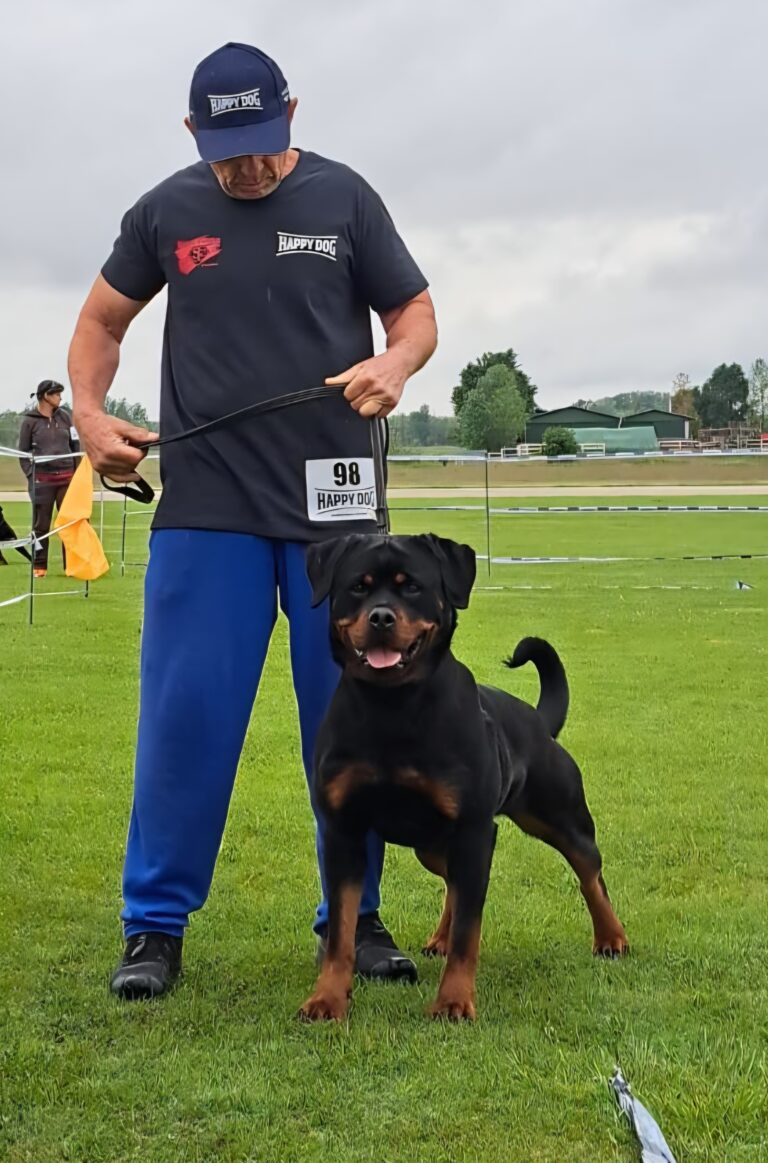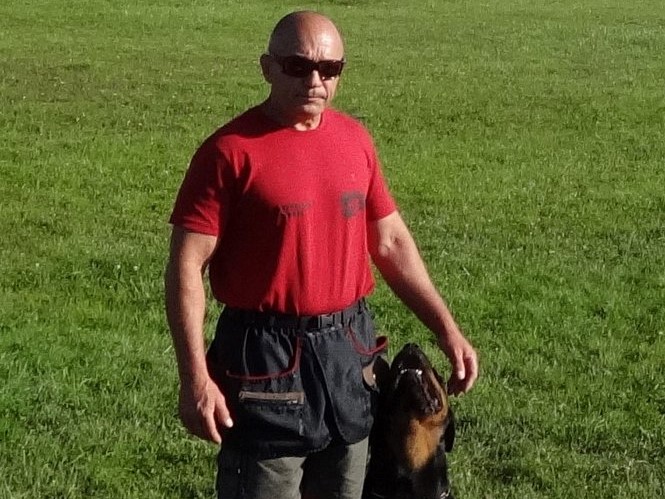
A dog can look confident in a kennel, obedient on a leash, and impressive in a short demo – then fall apart when pressure changes. That is why knowing how to evaluate dog temperament matters so much, especially if you want a dog you can trust around family, property, and real-world distractions. Temperament is not a cosmetic detail. It is the foundation of control, safety, and reliability.
For serious owners, temperament should come before color, size, pedigree marketing, or flashy protection clips. A stable dog is clear-headed under stress, responsive to direction, and able to switch between work and normal home life. An unstable dog may still show intensity, but intensity without balance is a liability.
What dog temperament really means
Temperament is the dog’s natural pattern of response to people, pressure, environment, and conflict. It includes confidence, nerve, sociability, resilience, prey drive, defensive tendencies, and recovery after stress. Training can improve behavior and channel instincts, but training does not create true nerve where none exists.
This is where many buyers get misled. They see obedience and assume stability. They see barking and assume protection ability. They see energy and assume courage. Those are not the same thing. A dog may bark because it is sharp and insecure, not because it is confident. A dog may heel well in a familiar setting and still struggle when the environment becomes unpredictable.
If your goal is a family guardian or personal protection dog, you are not looking for the most reactive dog in the room. You are looking for a dog with a clear head, strong nerves, environmental confidence, and the willingness to work under control.
How to evaluate dog temperament in real conditions
The best evaluations happen across different settings, not in one staged moment. A proper temperament assessment looks at patterns. The question is not whether the dog performs once. The question is how the dog responds when the picture changes.
Watch the dog before anyone engages it
Start by observing neutral behavior. A stable dog should appear aware without being frantic. It should notice movement, sound, and people without acting scattered or shut down. Look for posture, eye use, breathing, and recovery between stimuli.
A dog that paces endlessly, vocalizes without reason, startles too easily, or cannot settle may be showing weak nerves or poor regulation. On the other side, a dog that seems flat, disconnected, or unwilling to engage may lack the drive or confidence needed for serious work. Balance matters.
Test environmental confidence
A dependable dog should move through unfamiliar spaces with curiosity and composure. Different flooring, narrow hallways, stairs, traffic noise, gates, and sudden sounds all reveal useful information. You are not trying to terrify the dog. You are trying to see whether it can process new information and stay functional.
A strong dog may notice a stressor, pause, investigate, and move forward. That is a good sign. A weak dog may avoid, panic, freeze, or stay mentally stuck after the event has passed. Recovery is often more important than the initial reaction.
Evaluate social stability
Social behavior is one of the clearest indicators of overall temperament. A good working dog does not need to love every stranger, but it should be stable around neutral people and capable of clear discrimination. Random suspicion, inappropriate friendliness, and uncontrolled defensive behavior can all create problems.
Watch how the dog handles calm strangers, direct attention, mild spatial pressure, and normal household movement. Around family, the dog should show clarity and steadiness. Around outsiders, it should remain aware but controllable. A serious protection prospect should not be nervy, hectic, or socially chaotic.
Look at possession, engagement, and fight back
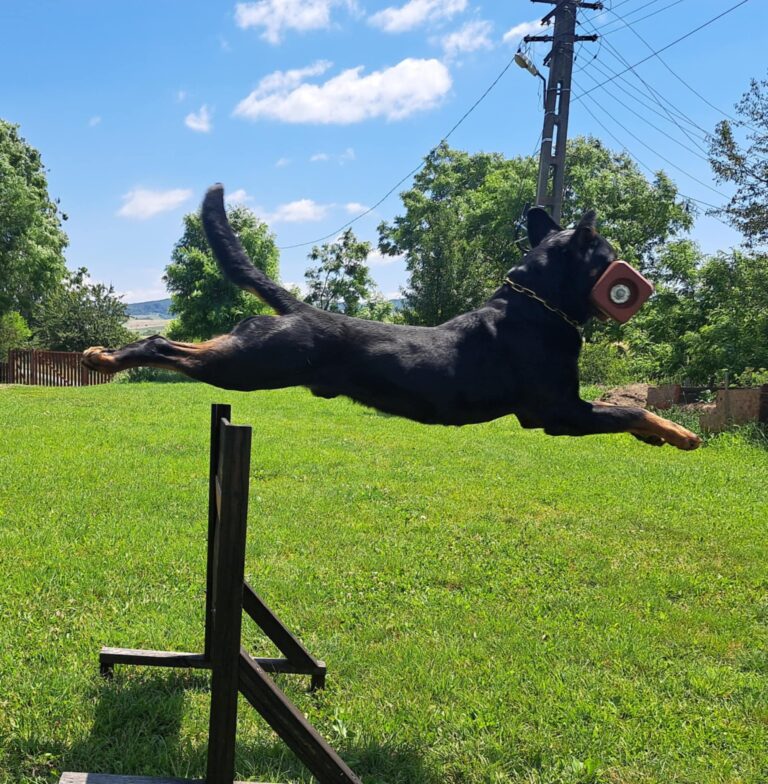
Drive matters, but it has to be understood correctly. Many dogs will chase a toy. Fewer dogs will stay engaged under pressure, push into conflict, and recover quickly if challenged. A dog suited for advanced work needs more than excitement. It needs commitment.
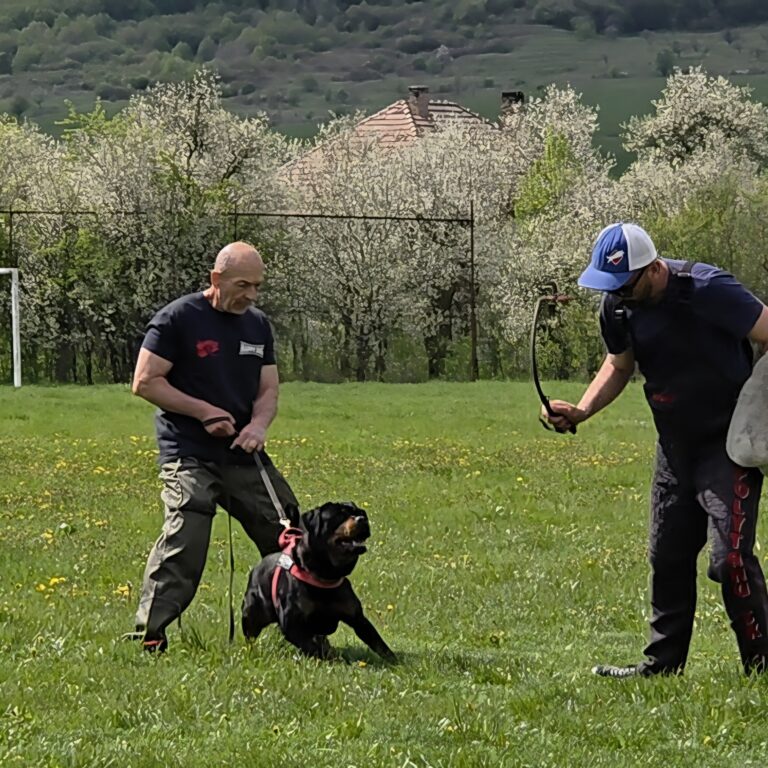
This is where experienced handling matters. Prey behavior alone can look impressive, but protection requires nerve and clarity when the picture becomes uncomfortable. A dog that only works when the scenario stays easy is limited. A dog that escalates emotionally and stops listening is also limited. The best dogs stay present, engaged, and responsive.
What strong temperament looks like
Strong temperament is not constant aggression. In fact, the best dogs are often the most controlled. They are alert without living in overdrive. They can shift from obedience to rest, from social neutrality to serious work, without becoming unstable.
You should see confidence in movement, consistency in engagement, and quick recovery after surprises. The dog should accept guidance, remain mentally available to the handler, and show no need to create conflict on its own. Clear-headed dogs conserve energy. They do not waste it on theatrics.
This is especially important in a home. A stable protection dog must be able to live around normal family activity, guests, vehicles, and routine changes. Real reliability means the dog can identify when nothing is wrong just as clearly as it can respond when something is.
Red flags buyers often miss
Some warning signs are obvious. Others get mistaken for power or drive.
One major red flag is hectic behavior. A dog that cannot settle, grips poorly, screams through work, or loses focus under stimulation may look intense, but intensity without composure creates risk. Another is environmental weakness. Slippery floors, dark rooms, unstable surfaces, or loud noise should not unravel a serious prospect.
Watch for avoidance disguised as obedience. Some dogs comply because they are worried, not because they are clear. Also be careful with dogs that show handler sensitivity in one moment and handler resistance in the next. That inconsistency often surfaces later under pressure.
Excessive sharpness is another issue. A dog that reacts too fast with too little information can be difficult to manage in family life. True protection quality is not measured by how quickly a dog explodes. It is measured by whether the dog can read the situation, take direction, and stay stable before, during, and after activation.
Temperament in puppies versus adults
Puppy evaluations can reveal useful tendencies, but they are not final verdicts. Confidence, recovery, curiosity, possession, and social engagement can all be seen early. Still, maturity changes dogs. Hormones, development, environment, and training all affect the final picture.
That means puppy testing should be treated as directional, not absolute. If you are buying for future family protection or advanced working potential, the breeder’s consistency, bloodline knowledge, and developmental process matter as much as the puppy’s moment-to-moment behavior.
With adolescent and adult dogs, evaluations become more meaningful because the dog is more developed and patterns are easier to confirm. For buyers who want reliability now, a properly trained adult often offers far more certainty than a young puppy with theoretical promise.
Why context matters in temperament testing
A dog can test well in one area and still be wrong for your situation. A property owner with frequent visitors needs different balance than a private individual seeking a close personal protection companion. A family with children needs social stability and off-switch control in a way that goes beyond simple obedience.
This is why temperament should be evaluated against purpose. The right dog is not just a good dog. It is a dog whose natural traits fit the role, environment, and owner capability. A high-drive dog may be excellent for one household and excessive for another. A socially neutral dog may be ideal in one setting and too reserved in another.
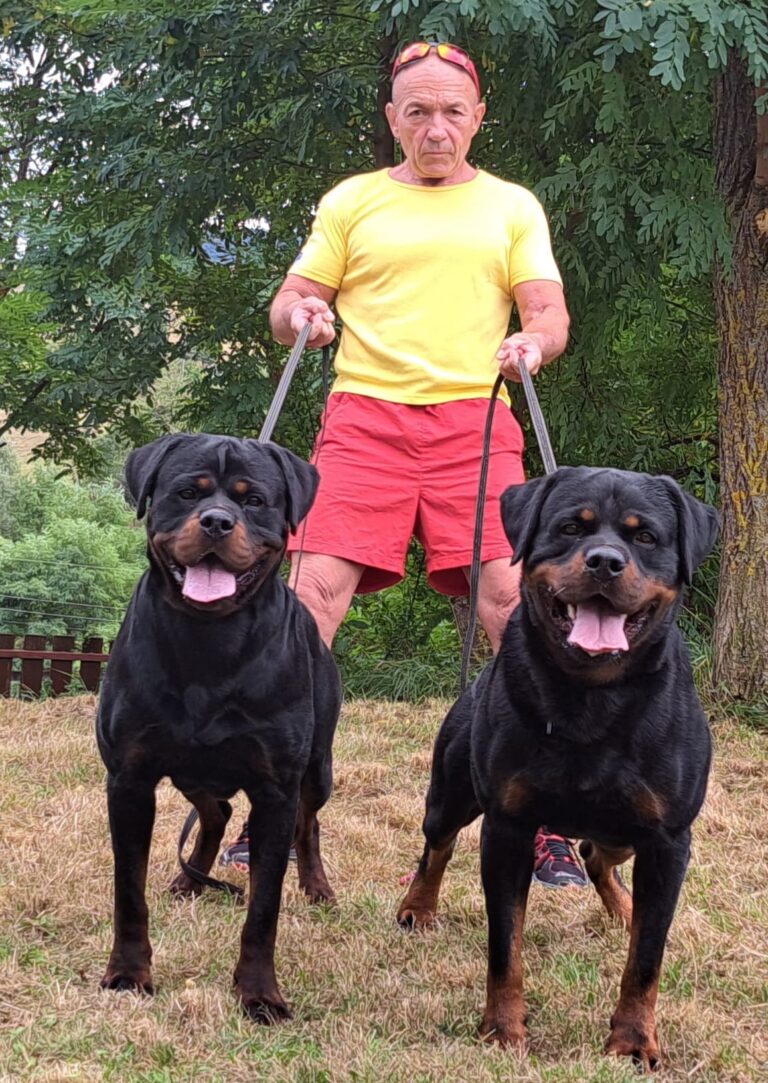
At Working Rottweilers, this distinction matters. Real protection dogs are not selected on image. They are selected on stability, control, and suitability for the job they are expected to do.
The value of a professional evaluation
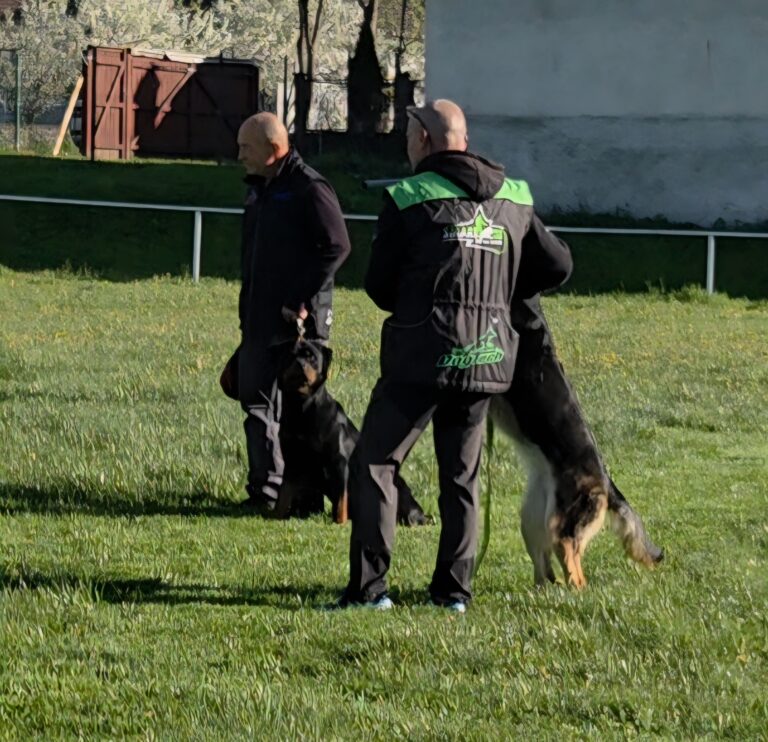
Most buyers can spot basic confidence or obvious instability, but subtle nerve issues often show up only to experienced eyes. That is why professional evaluation matters. A skilled trainer or working-dog breeder knows how to read thresholds, pressure responses, environmental confidence, social clarity, and recovery patterns without being fooled by rehearsed behavior.
A proper evaluation also separates training from temperament. If a dog performs well, the next question is whether the behavior is durable when context changes. If a dog struggles, the next question is whether the issue is immaturity, poor handling, weak genetics, or true instability. Those differences matter when safety is on the line.
If you are choosing a dog for security, do not buy based on short videos, kennel energy, or dramatic protection displays. Ask to see neutrality, obedience under distraction, environmental exposure, and clear transitions between work and calm behavior. Any dog can look good in a narrow setup. Reliable dogs hold together when life gets messy.
The right dog should make you feel more secure, not more uncertain. When temperament is evaluated honestly, you are not just choosing a dog that can respond. You are choosing a dog you can live with, trust, and control when it matters most.