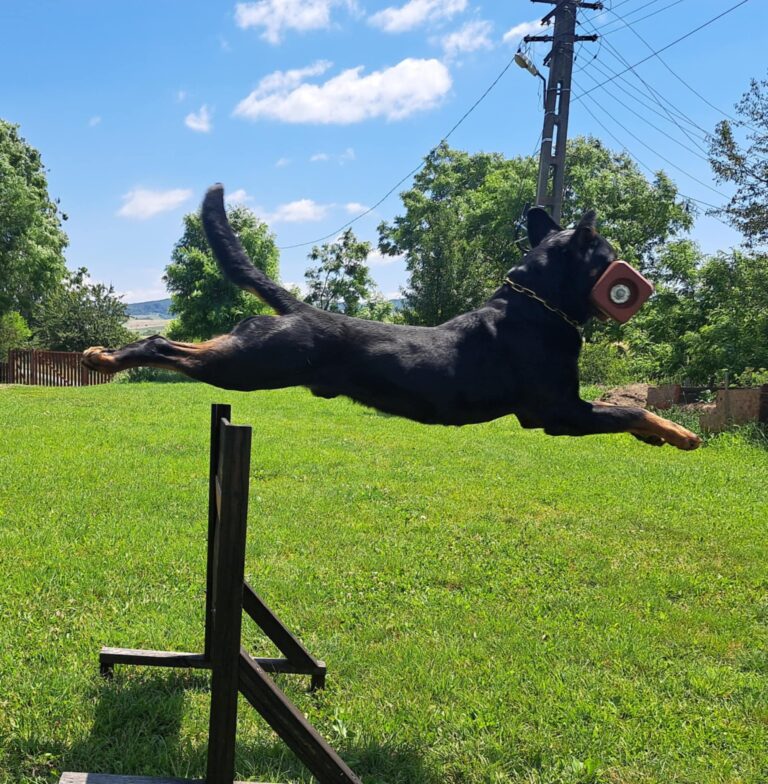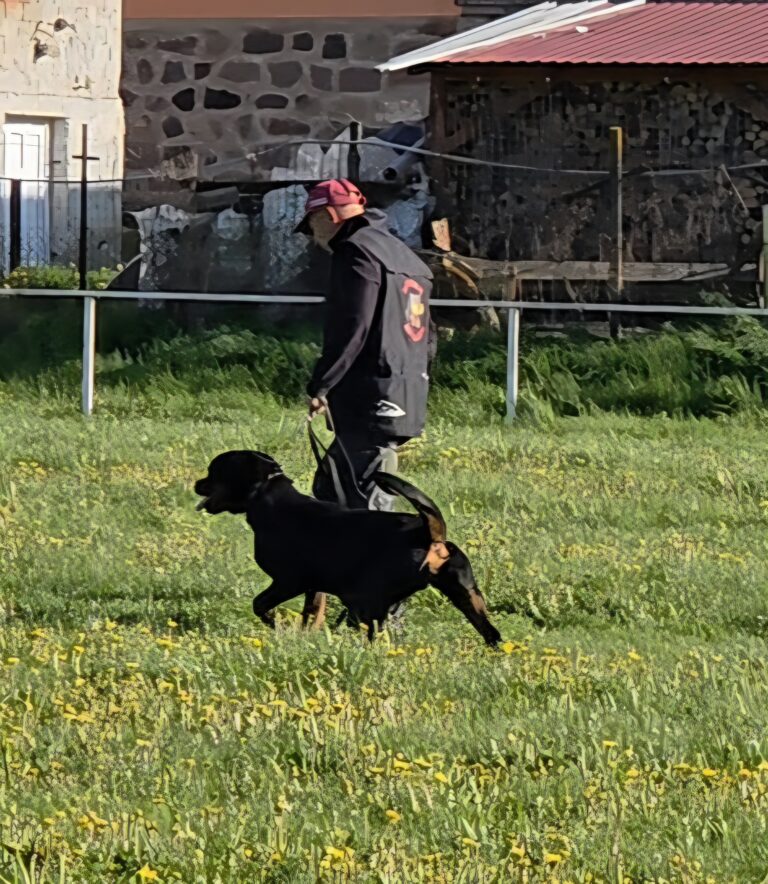
A serious buyer looking for a property protection dog for sale is not shopping for a pet with extra bark. You are looking for a dog that can live safely with your family, stay clear-headed under pressure, and respond with control when a real threat appears. That standard rules out most dogs marketed with flashy videos and vague promises.
A true property protection dog must do two jobs at once. The dog has to deter unwanted behavior through presence, confidence, and obedience, while also remaining stable in normal daily life. If a dog cannot settle in the home, accept guidance, and distinguish routine activity from a genuine problem, it is not an asset. It is a liability.
What a property protection dog for sale should actually offer
The first thing to understand is that protection is not just about intensity. It is about control. A reliable dog should be environmentally stable, obedient under distraction, and capable of switching from calm neutrality to active response when directed or when a situation clearly requires it.
That matters because most owners are not living in a constant threat environment. They have children, visitors, deliveries, contractors, neighbors, and routines that change from day to day. A dog that reacts to everything is not more protective. It is less useful. The best protection dogs are selective, trained, and mentally steady.
When evaluating a dog, look beyond appearance and hype. Strong nerves, clear-headed behavior, social stability, and solid obedience are more important than size alone. A large dog with weak training is less dependable than a properly developed working dog with proven control.
Why trained protection matters more than natural guarding instinct
Many dogs have territorial instinct. Very few have been developed into dependable protection animals. Natural suspicion can create noise, but noise is not the same as security. In many cases, an untrained dog becomes unpredictable, overreactive, or easy to shut down under pressure.
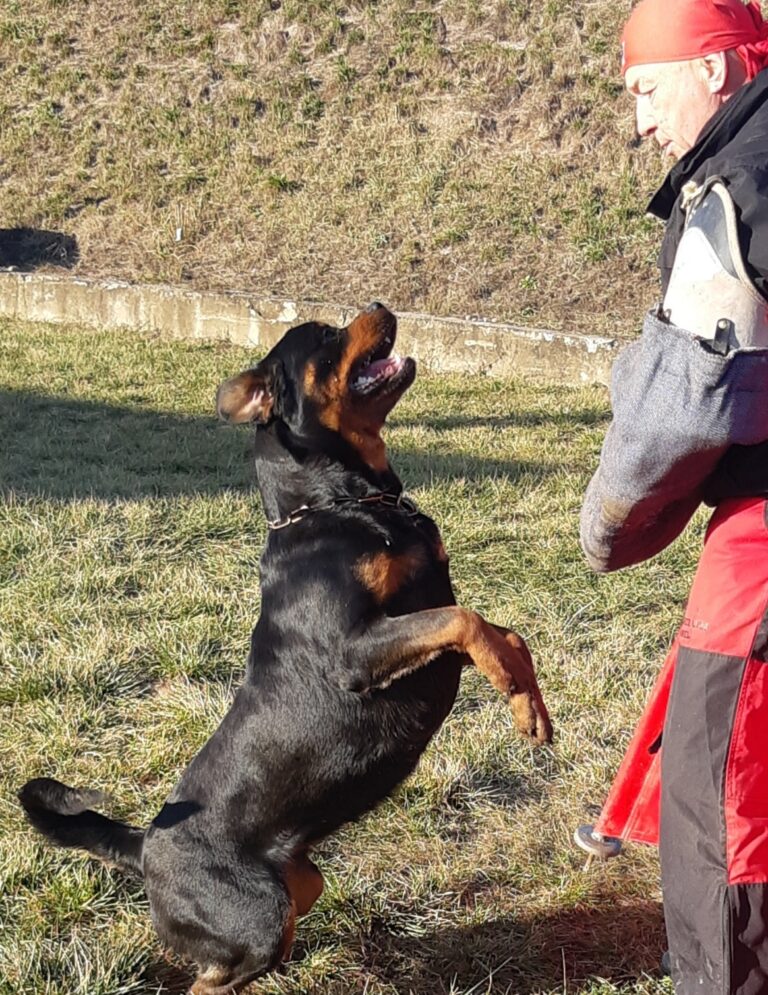
A trained property protection dog has been taught how to behave in context. The dog learns obedience first, then impulse control, then scenario-based work built on foundation rather than chaos. This creates a dog that can function around normal life while still offering a real layer of defense.
That distinction is especially important for families and property owners who want peace of mind without constant management problems. A dog should not force your household to revolve around instability. Proper training should make the dog more usable, not harder to live with.
The difference between a deterrent and a liability
A capable protection dog changes the way people approach your property. Presence alone often prevents problems before they begin. Confident posture, visible discipline, and controlled engagement can be enough to make the wrong person leave.
But deterrence only works when it is backed by real substance. If a dog is all noise and no nerve, that can fall apart fast in a serious encounter. On the other side, a dog with uncontrolled aggression creates legal, practical, and safety risks for the owner.
This is where professional development matters. The right dog is not bred and trained to behave recklessly. It is prepared to respond with purpose and under command. The goal is not chaos. The goal is security with accountability.
What to ask before buying a property protection dog
If you are considering a property protection dog for sale, ask direct questions and expect direct answers. What is the dog’s training level? How does the dog behave in the house, around guests, and in public settings? What proof is there that the dog has real obedience under distraction? What kind of transition support will you receive as the new owner?
You should also ask about breeding standards and temperament selection. Protection ability cannot be separated from genetics. Dogs bred for looks, trends, or volume often lack the nerve and balance needed for serious work. Ethical working programs prioritize health, drives, clarity, and trainability over surface-level appeal.
It is also fair to ask what the dog is not suited for. Honest professionals do not claim every dog fits every buyer. Some dogs are better for experienced handlers. Some are ideal for families with structure. Some are stronger deterrents for large properties. Matching matters.
Why Rottweilers are strong candidates for property security
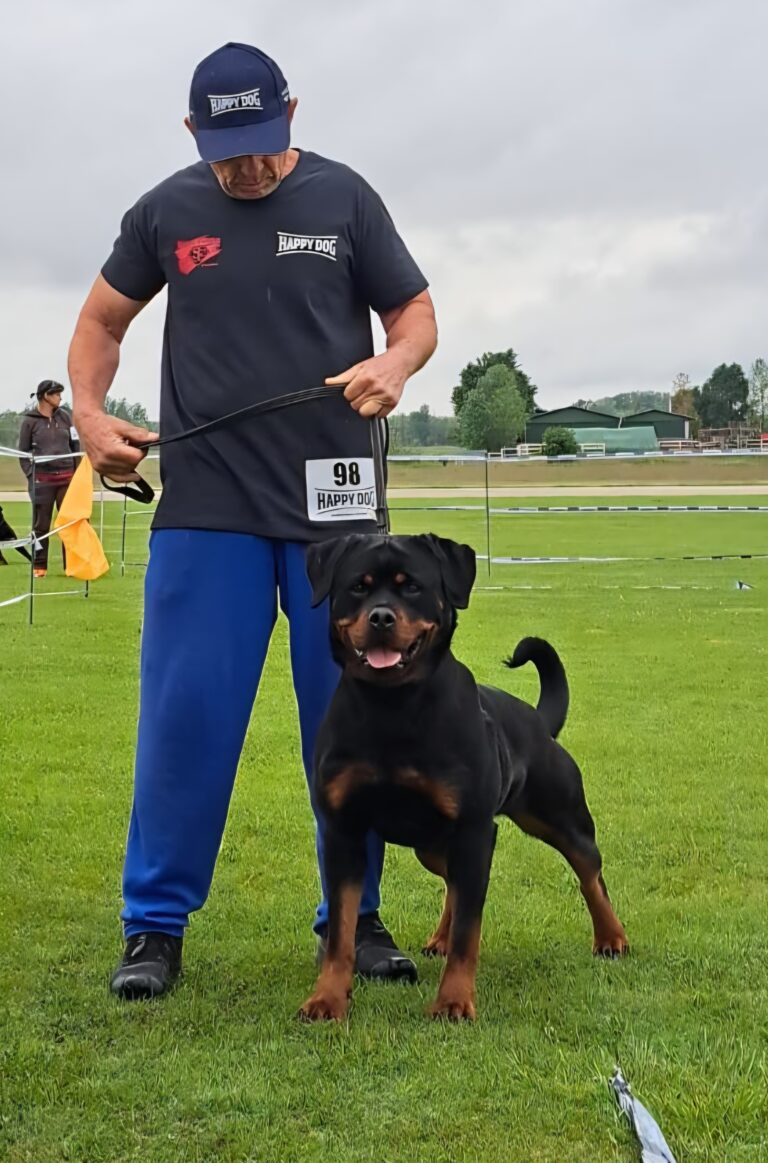
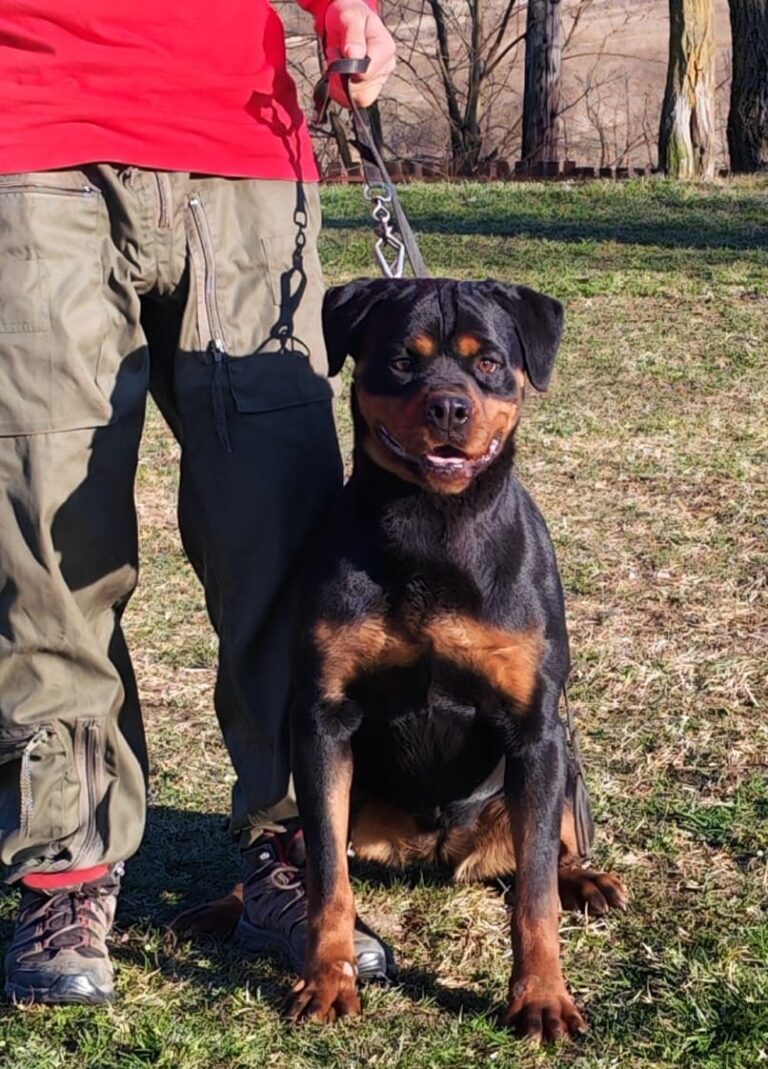
A well-bred working Rottweiler brings several traits that matter in real-world protection. The breed is naturally substantial, physically capable, and psychologically suited to serious work when bred and trained correctly. A good Rottweiler has presence without constant agitation and power without unnecessary theatrics.
That said, the breed only performs to its potential when developed with discipline. Poor breeding can produce weak nerves or unstable temperament. Inadequate training can turn a strong dog into a difficult one. For buyers who want a dependable protection dog, the focus should be on working quality, not reputation alone.
This is why experienced buyers often prefer dogs from programs grounded in proven working standards. Companies such as Working Rottweilers center their programs on control, stability, and functional protection rather than image-driven marketing. That difference shows up in daily usability.
How the right dog fits into normal life
One of the biggest mistakes in this market is assuming a protection dog should feel intense all the time. In practice, a quality dog spends most of life being calm, responsive, and easy to direct. The protection side is there when needed, but stable companionship is what makes ownership sustainable.
For a family, that means a dog that understands thresholds, respects commands, and can move from property watchfulness to indoor composure. For a landowner or business owner, it means a dog that can patrol presence without becoming indiscriminate. For any buyer, it means predictability.
This is also where owner preparation comes in. Even a finished dog requires handling standards. You do not need to be a professional trainer, but you do need to follow guidance, maintain structure, and understand how the dog has been conditioned to work. Good providers do not just sell the dog. They prepare the handler.
Red flags in the protection dog market
Some warning signs are easy to spot. Be cautious of sellers who rely on dramatic bite footage but cannot show calm obedience. Be cautious of dogs that look overstimulated, frantic, or hard to recover after engagement. Be cautious of broad claims like fully trained with no explanation of what that means in daily life.
Another red flag is any seller who minimizes the responsibility of ownership. A trained protection dog is a serious asset, but it is still a serious responsibility. The right provider will talk about safety, transition, structure, and fit. They will not market the dog like an impulse purchase.
Price alone should also be viewed in context. A properly bred, professionally developed protection dog is expensive because the process is expensive. Health testing, selective breeding, foundational raising, advanced training, and matching all matter. Bargain pricing usually means something critical has been skipped.
Choosing based on your property, not just your preference
Not every buyer needs the same dog. A suburban family with regular guests may need a dog with very strong social discrimination and household stability. A rural property owner may prioritize visible deterrence, range, and confidence across larger spaces. A business owner may need a dog that can move between secure presence and controlled public exposure.
The right purchase starts with an honest assessment of your environment. Who lives on the property? How often do visitors come and go? What is your prior dog experience? Do you want a stronger visible deterrent, a family-integrated guardian, or both? Those answers shape the right recommendation.
The best providers will not force a one-size-fits-all solution. They will assess your situation, explain realistic options, and guide you toward the dog most likely to succeed in your life. That protects both you and the dog.
What matters after the sale
The sale is the starting point, not the finish line. Transition work, handling instruction, and follow-through are what protect your investment. A trained dog placed into an unstructured home without support can lose clarity fast.
You should expect guidance on daily routines, command consistency, boundaries, exposure, and reinforcement. The goal is not to keep the dog in training mode all day. The goal is to preserve the standards that make the dog safe, stable, and effective.
If you are searching for a property protection dog for sale, keep your standard high. Look for balanced temperament, proven obedience, ethical development, and a seller who treats protection work as a discipline, not a sales angle. The right dog should give you more than presence on the property. It should give you confidence in the decisions behind it.