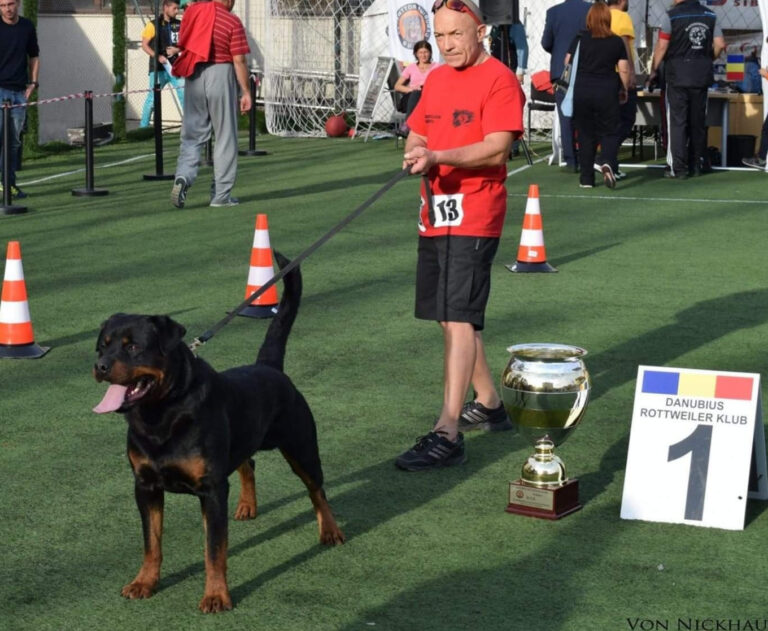
If you are asking are rottweilers good protection dogs, the real question is not whether the breed looks intimidating. It is whether the dog has the nerve, stability, control, and training to protect without becoming a liability. That distinction matters. A serious protection dog must do far more than bark at a stranger.
Rottweilers can be excellent protection dogs when they come from proven working lines, are raised with clear structure, and receive professional training. They have the physical power, natural confidence, and defensive instincts that make them well suited for personal and property protection. But breed alone is never enough. An untrained or poorly bred Rottweiler can be unreliable, hard to manage, or unsafe in the wrong hands.
Are Rottweilers Good Protection Dogs by Nature?
Yes, many Rottweilers have natural traits that support protection work. They are strong, alert, territorial when appropriate, and typically very committed to their people. A well-bred Rottweiler tends to be clear-headed rather than frantic, which is exactly what matters in a real security situation.
That said, natural instinct is only the starting point. Good protection work requires judgment. The dog must recognize pressure, stay engaged under stress, respond to commands, and switch off when the threat is over. A dog that reacts to every noise or every visitor is not doing protection work. It is lacking control.
This is where many buyers make the wrong assumption. They see size, muscle, and a deep bark and think the dog is protection-ready. In reality, stable nerves and trained obedience are what separate a dependable protector from a problem dog.
What Makes a Rottweiler Effective for Protection
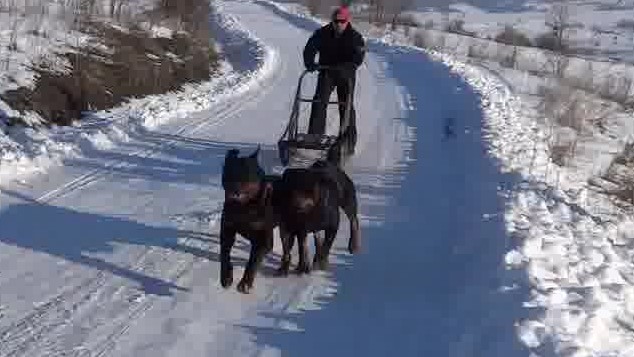
Rottweilers bring a combination of traits that fit real-world protection better than many other breeds. They are naturally powerful, and that physical presence alone can deter unwanted attention. Most intruders would rather avoid a serious working Rottweiler altogether.
They also tend to bond deeply with their family or handler. That loyalty can translate into genuine defensive commitment when properly developed. Unlike breeds that rely more on speed or hyper-reactivity, the Rottweiler often brings a more grounded kind of pressure. In practical terms, that means the dog can be calm in daily life and still respond with force when the situation demands it.
Another strength is trainability. A quality Rottweiler can learn advanced obedience, scenario-based control, and protection routines with consistency. The key phrase there is quality Rottweiler. Temperament, genetics, and the training process matter more than the label attached to the breed.
Deterrence matters
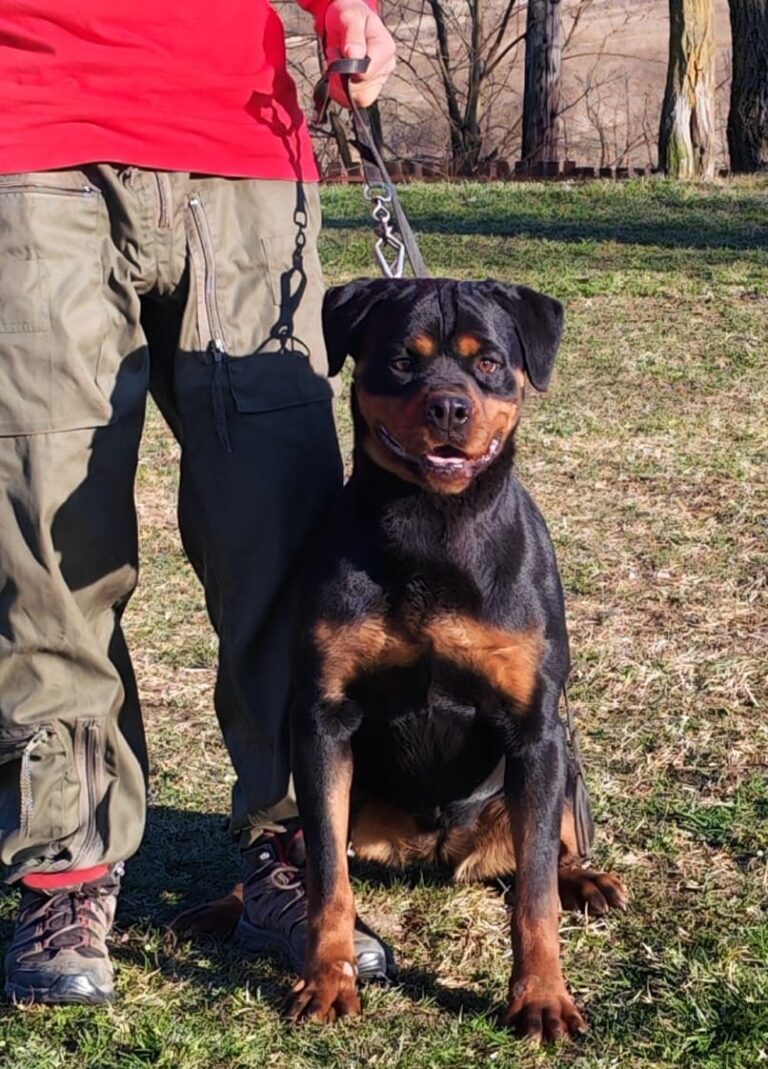
A protection dog does not need to bite to do its job well. In many cases, visible control, confidence, and presence prevent a problem before it escalates. A trained Rottweiler walking calmly at heel sends a clear message. That is often enough.
Stability matters more
The best protection dog is not the one most likely to react. It is the one most capable of staying neutral until action is necessary. Stable temperament is one of the breed’s biggest advantages when the dog is bred and trained correctly.
Where Rottweilers Can Fall Short
Rottweilers are not automatically the right fit for every buyer, every household, or every protection goal. They are strong-willed dogs that need structure, leadership, and consistency. If an owner wants a low-maintenance dog or has no interest in training standards, this breed can become frustrating very quickly.
They can also be slower to mature than people expect. A young Rottweiler may show promise, but serious protection reliability takes time to develop. Rushing the process often creates instability. For buyers who need immediate readiness, a professionally trained adult dog is usually a more practical choice than trying to build a prospect from scratch.
There is also the issue of poor breeding. The breed’s reputation has suffered in some circles because too many dogs have been produced for looks, size, or trend appeal rather than working ability and sound nerves. A large Rottweiler with weak temperament is not an asset. It is a risk.
Protection Dog vs Guard Dog
People often use these terms as if they mean the same thing, but they do not. A guard dog may alert, posture, or defend territory based largely on instinct. A protection dog is trained to operate under command and under control.
That difference is critical. If your goal is real personal or family security, you need more than a dog that barks at the fence. You need a dog that can live in the home, remain social when appropriate, and respond decisively when a situation crosses the line. Control is what makes protection useful in the real world.
A Rottweiler can do both jobs, but only when the dog has the right foundation and training. Without that, you may get noise and intimidation, but not reliability.
Are Rottweilers Good Protection Dogs for Families?
They can be, and in the right home they are among the best options available. A stable, trained Rottweiler can be deeply attached to its family, composed around children, and serious when faced with a real threat. That combination is exactly why the breed remains a strong choice for people who want both companionship and security.
But family suitability depends on management. A powerful working dog should never be treated casually. The household needs rules, consistency, and respect for the dog’s training. Children should not be put in charge of a serious protection dog. Visitors should be introduced properly. Boundaries should be clear.
The right dog is also matched to the right family. Some households need a more social dog with strong deterrent presence. Others need a dog with more advanced civil pressure and higher working intensity. Those are not interchangeable profiles.
The wrong dog can create the wrong kind of stress
A family does not need a chaotic dog that makes daily life harder. They need a dog that is safe in the home, obedient in public, and capable under pressure. Protection should add peace of mind, not constant management problems.
Training Decides the Outcome
If there is one point that deserves absolute clarity, it is this: training decides whether a Rottweiler becomes a dependable protection dog or simply a powerful animal with potential. Genetics set the ceiling, but training determines usability.
A real protection dog needs advanced obedience first. That includes recall, leash control, place work, neutrality around distractions, and the ability to out, disengage, and reset immediately. Protection work built on weak obedience is irresponsible.
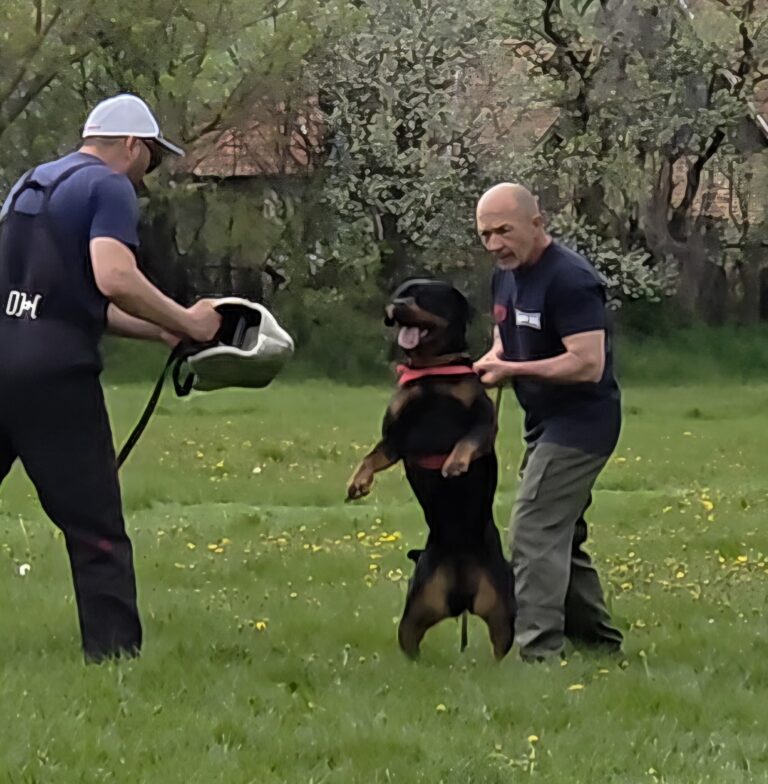
The dog also needs scenario-based exposure. It must learn to distinguish ordinary life from legitimate threat. That means controlled development, experienced decoys, and trainers who understand pressure, thresholds, and stability. Shortcut methods produce flashy behavior, not trustworthy performance.
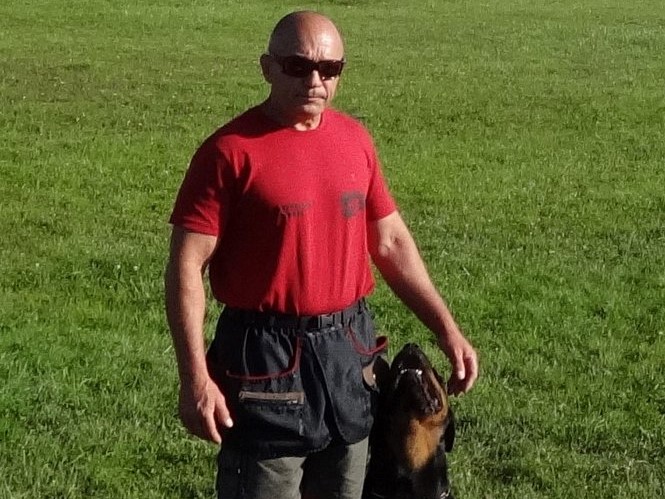
This is one reason many buyers choose a professionally trained dog rather than attempting the full process on their own. At Working Rottweilers, the standard centers on dogs that are bred and developed for function, control, and real-life usability, not just appearance or sport presentation.
How to Judge a Protection Rottweiler
If you are evaluating whether a specific Rottweiler is suitable for protection, ask better questions than “Does the dog look tough?” Look at nerve, obedience, environmental confidence, social stability, and recovery after stress.
A serious dog should be calm in neutral settings. It should not be nervy on slick floors, unsure around noise, or unstable around guests. It should show engagement without chaos and power without losing control. The dog should also have a clear off switch. If it cannot settle, it is not balanced.
Proof matters too. Titles, working evaluations, trainer handling, and demonstration in realistic settings tell you far more than a sales description. So does the breeder’s honesty. A reputable working program will tell you what the dog is, what it is not, and what kind of owner it needs.
So, Are Rottweilers Good Protection Dogs?
Yes, they can be exceptional protection dogs, but only when the dog in front of you has the right genetics, the right development, and the right training. The breed has the strength, presence, loyalty, and working ability to perform at a high level. What it does not have is a guarantee. No breed does.
If your priority is real security, do not shop for intimidation alone. Look for stability, control, and proven working character. A properly bred and professionally trained Rottweiler can be a serious asset to your safety and your household. A poorly selected one can become exactly the opposite.
The smartest move is to choose the dog the same way you would choose any security solution – based on reliability under pressure, not appearances. That is where confidence comes from, and that is what keeps protection useful when it matters.