A dog that ignores commands when the pressure is on is not trained. It is rehearsed under easy conditions. That distinction matters when people ask, does professional dog training work. The honest answer is yes, but only when the training is built on the right dog, the right methods, and the right standards of control.
For families, property owners, and security-minded buyers, this is not a casual question. You are not looking for a dog that performs for five minutes in a class setting. You are looking for reliability at home, around visitors, in public, and under stress. Professional training can absolutely produce that result, but it is not magic, and it is not equal across every trainer, every dog, or every goal.
Does professional dog training work for real-world control?
It works when training is based on clarity, repetition, proofing, and accountability. A professionally trained dog should understand commands, respond consistently, and remain stable in changing environments. That includes distractions, unfamiliar people, noise, and pressure.
This is where many owners see the difference between amateur instruction and professional work. A dog may sit in the backyard for its owner and still fail in public, around guests, or during a stressful event. Real training is measured by reliability, not by isolated performance.
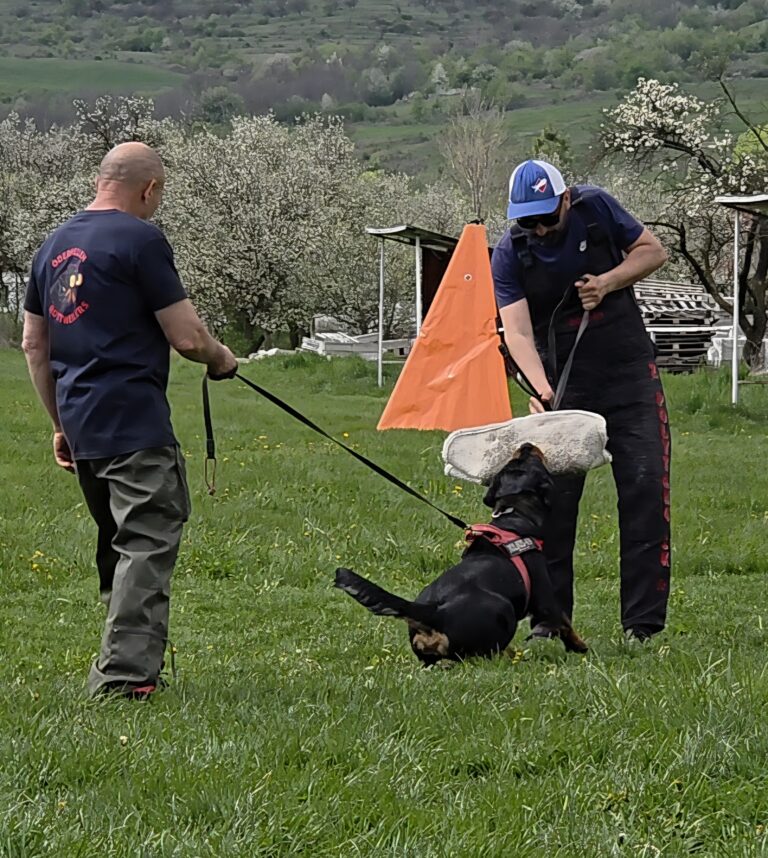
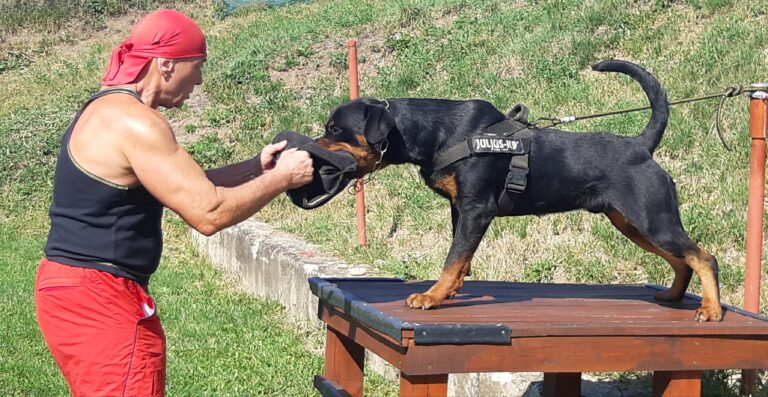
For protection-oriented dogs, the standard is even higher. Obedience must hold under arousal. Drive must be channeled, not encouraged without control. The dog must be safe to live with, clear in the head, and responsive to direction. If training does not improve control, stability, and handler confidence, it is not doing its job.
What professional dog training actually changes
Good training changes behavior by changing communication and consistency. Dogs do not make decisions the way people do. They learn through timing, consequence, repetition, and clear expectations. A professional trainer speeds up that process because they know how to read the dog in front of them and adjust before confusion becomes conflict.
That matters whether the goal is basic obedience or advanced protection work. Some dogs need more structure. Some need confidence building. Some need a fair correction system because they have already learned to ignore weak guidance. Others need the opposite – less pressure, better timing, and more precise reward placement.
Professional training also changes the owner. That point gets overlooked. In many cases, the dog is not the only one learning. Owners often improve their leash handling, command timing, body language, and follow-through. When that happens, behavior becomes more consistent because the dog is no longer receiving mixed signals.
When professional dog training works best
The best results come from dogs with sound temperament and owners who want structure, not shortcuts. Training can sharpen obedience, improve manners, reduce dangerous behavior, and prepare a dog for serious work. But it does not erase weak genetics, unstable nerves, or poor ownership habits.
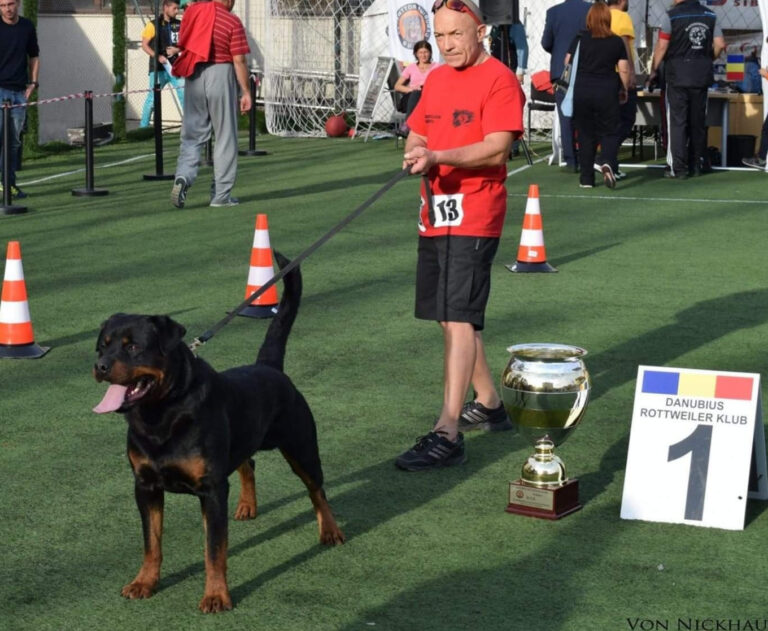
A stable dog with strong working ability and balanced temperament will usually benefit the most from professional development. That is especially true for Rottweilers and other serious working breeds. These dogs can become exceptional companions and effective deterrents, but only when training is built on control and discipline.
Owner participation also matters. Even a fully trained dog needs handling standards at home. If the trainer requires structure and the owner allows inconsistency, results fade. That does not mean the training failed. It means maintenance did.
This is why the best professional programs do not just train dogs. They train the relationship between dog and owner.
When the answer is yes, but with limits
People often hope training will fix every issue. Sometimes it can. Sometimes it cannot.
Training can improve leash pulling, place work, recall, boundary control, social neutrality, and impulse control. It can also help with barking, pushiness, lack of focus, and poor manners. In many cases, these are trainable problems rooted in unclear expectations or inconsistent handling.
But some situations are more complicated. Severe fear, unstable aggression, poor nerve, and genetic weakness are not simple obedience issues. Training may help manage them, but management is not the same as resolution. A serious professional should say that plainly.
That honesty matters in protection work. A dog bred or selected for real security should not be created through pressure alone. It should already have the temperament, confidence, and working ability to perform responsibly. Training develops what is there. It does not manufacture quality from the wrong foundation.
Does professional dog training work better than owner-led training?
Usually, yes – especially when the goal is reliable performance rather than casual compliance. Most owners do not lack commitment. They lack timing, experience, and the ability to identify what the dog is truly communicating. That is where professional handling changes the outcome.
A professional trainer sees patterns earlier. They know whether the dog is confused, avoiding pressure, becoming overstimulated, or testing boundaries. They can tighten communication before bad habits become established. That precision saves time and prevents mistakes that are difficult to undo later.
Owner-led training still has value. Daily reinforcement at home is essential, and some dogs do well with basic obedience taught by motivated owners. But when the expectations are higher – off-leash reliability, advanced obedience, controlled protection work, or problem behavior – professional training becomes far more than a convenience. It becomes risk management.
What separates effective trainers from ineffective ones
Not every trainer who markets results can produce them. The standard should be simple. The dog should be more obedient, more stable, and easier to live with after training than before.
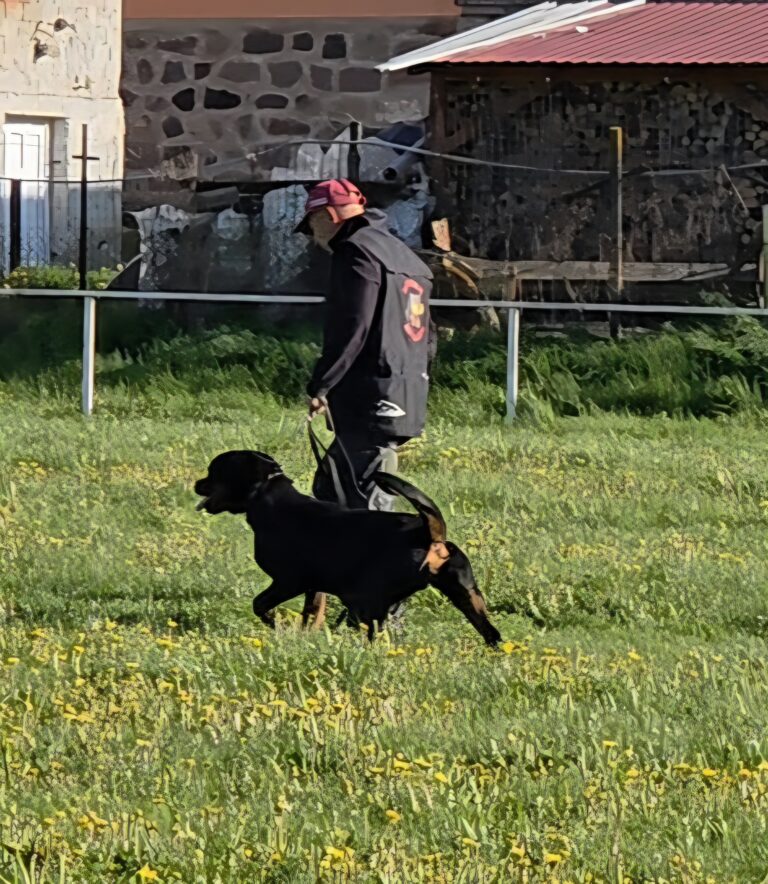
An effective trainer works with a clear system. Commands are defined. Expectations are consistent. The dog is not flooded with pressure, nor allowed to ignore instruction without consequence. The result is a dog that understands its job and can perform it under normal life conditions.
An ineffective trainer often relies on appearance over substance. The dog may look sharp on a field, but fall apart in a neighborhood, around children, at the front door, or in public. That is not finished training. That is staged behavior.
For serious buyers, proof matters. You want to see neutrality, obedience around distractions, environmental confidence, and control through transitions. If the dog can only work in one setting, the training has not been tested enough.
Why trained protection dogs require a higher standard
Protection training should never be separated from obedience and temperament. A dog taught to engage without equal emphasis on control is a liability. That is why serious working programs place such a strong focus on nerve, stability, and handler responsiveness.
A well-trained protection dog is not chaotic. It is calm in the house, clear around family, obedient in public, and capable only when needed. That balance does not happen by accident. It comes from breeding, selection, and professional development working together.
At Working Rottweilers, this standard is central to the process. A protection dog must be safe before it is impressive. Control is not optional. It is the foundation.
How to tell if professional training is worth the investment
Ask a practical question: will this training change daily life in a measurable way? If the answer is yes, it is usually worth it.
For many owners, the value is obvious. A trained dog loads into a vehicle without chaos, holds place when guests arrive, walks with purpose, responds under distraction, and lives with structure. For security-focused buyers, the value is even higher. Confidence in the dog’s obedience and judgment reduces uncertainty where it matters most.
The return is not just convenience. It is control, safety, and predictability. Those outcomes matter more than tricks or titles to people who need a dog that functions in the real world.
Still, training is an investment that requires maintenance. If you want permanent results, your standards at home must match the standards established in training. The strongest programs prepare owners for that responsibility instead of pretending the work ends at delivery.
Professional dog training works when the process is honest, the dog is suitable, and the owner is prepared to carry the standard forward. If you want a dog that is dependable when it counts, that is not an extra. That is the whole point.