A dog that will live with your family, travel with you, and respond under pressure cannot be shaped by guesswork. A professional dog training school should produce more than obedience in a quiet field. It should build control, stability, and reliable performance in real-life conditions, especially when the dog is expected to provide meaningful security.
That matters because training quality shows up when conditions are imperfect. Visitors arrive unannounced. Gates open. Kids move fast. Stress changes how people handle a leash and how a dog reads the situation. If a school cannot prepare a dog for that kind of environment, it is not preparing the dog for the job most owners actually need done.
What a professional dog training school should actually deliver
A serious training program is not measured by flashy bite work, social media clips, or a long list of commands. It is measured by the dog’s ability to stay clear-headed, obedient, and controllable when distractions, pressure, and uncertainty are present.
For most owners, the standard is simple. The dog should be safe in the home, stable around normal daily activity, responsive to direction, and capable of switching between companion mode and working mode without confusion. That balance is not accidental. It comes from structured selection, experienced handling, and training that values nerve, temperament, and judgment as much as drive.
A credible school also trains the human side of the equation. Even an exceptional dog can be mishandled by an owner who has not been taught timing, consistency, and proper control. Good programs understand that a trained dog is only part of the outcome. The owner must be prepared to maintain that standard.
Not all schools train for the same outcome
This is where many buyers make an expensive mistake. They assume all professional training is equal because the language sounds similar. It is not.
Some schools focus on pet obedience. That can be useful for manners, leash walking, and household structure, but it is not the same as preparing a dog for protection, deterrence, or serious working reliability. Some focus on sport performance, which may produce precision and intensity, but sport success does not always translate cleanly to everyday family life or practical security work. A dog that performs beautifully in a controlled routine may still lack the environmental stability or judgment required in a home setting.
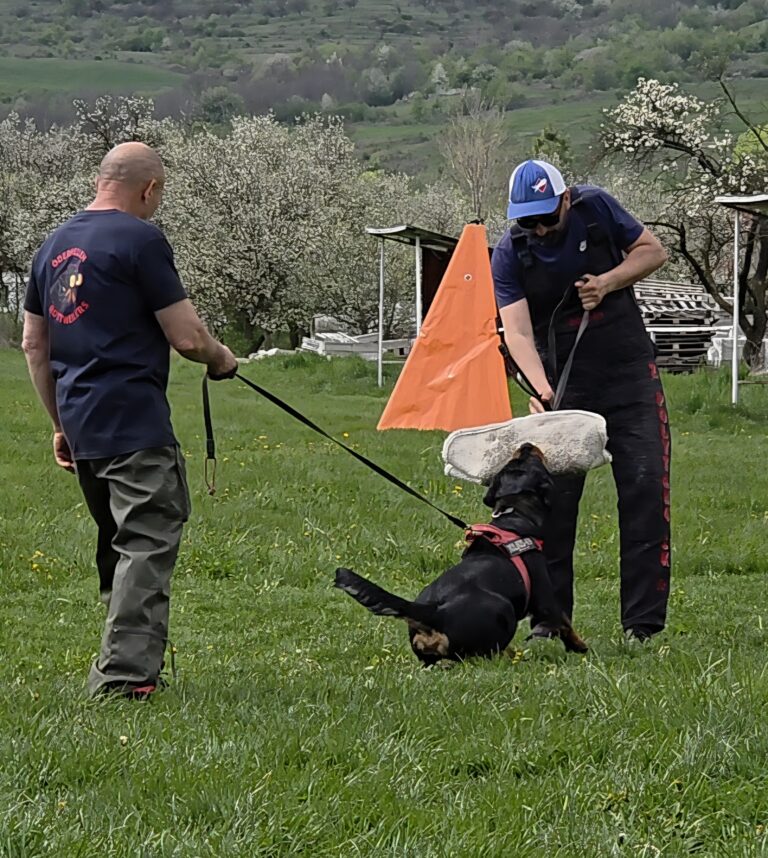
A true working program trains for function. That means the dog is expected to think clearly, remain under command, and perform with purpose instead of chaos. There is a difference between a dog that can engage and a dog that can be trusted.
The difference between activity and control
A school can create a dog that looks impressive very quickly. High energy, loud engagement, and visible power are easy to market. Control takes longer and requires more discipline.
The right school does not chase drama. It teaches clean obedience, threshold control, neutrality when appropriate, and a clear on-off switch. For protection work, that is non-negotiable. A dog that cannot disengage cleanly, remain civil in public, or accept handler direction under stress is a liability, not an asset.
What to look for before you commit
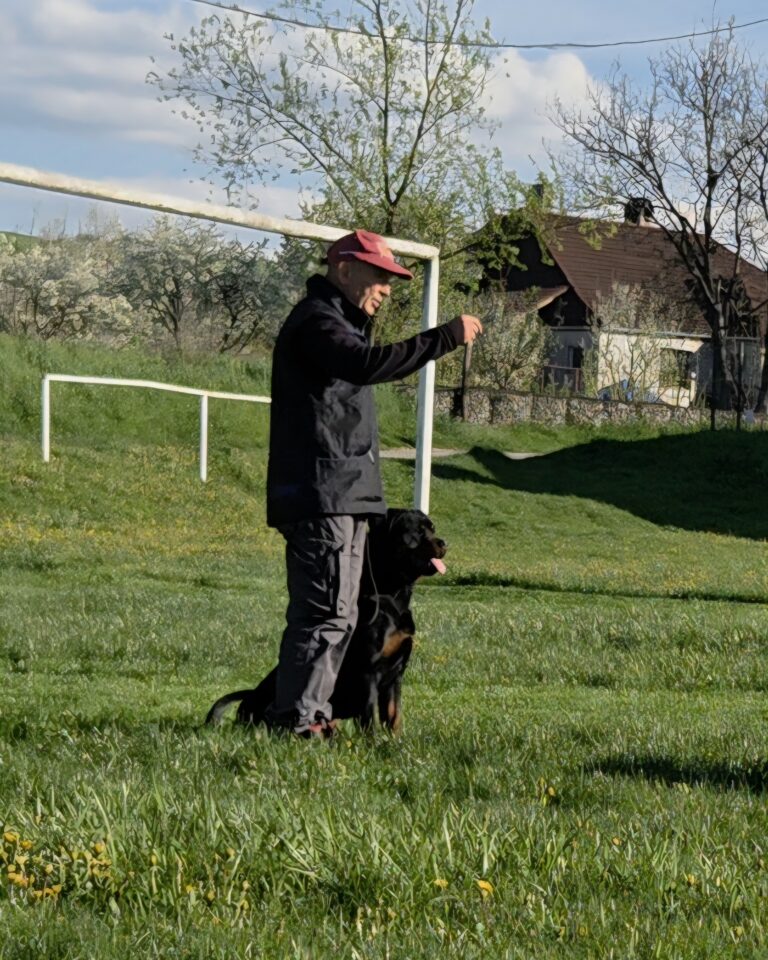
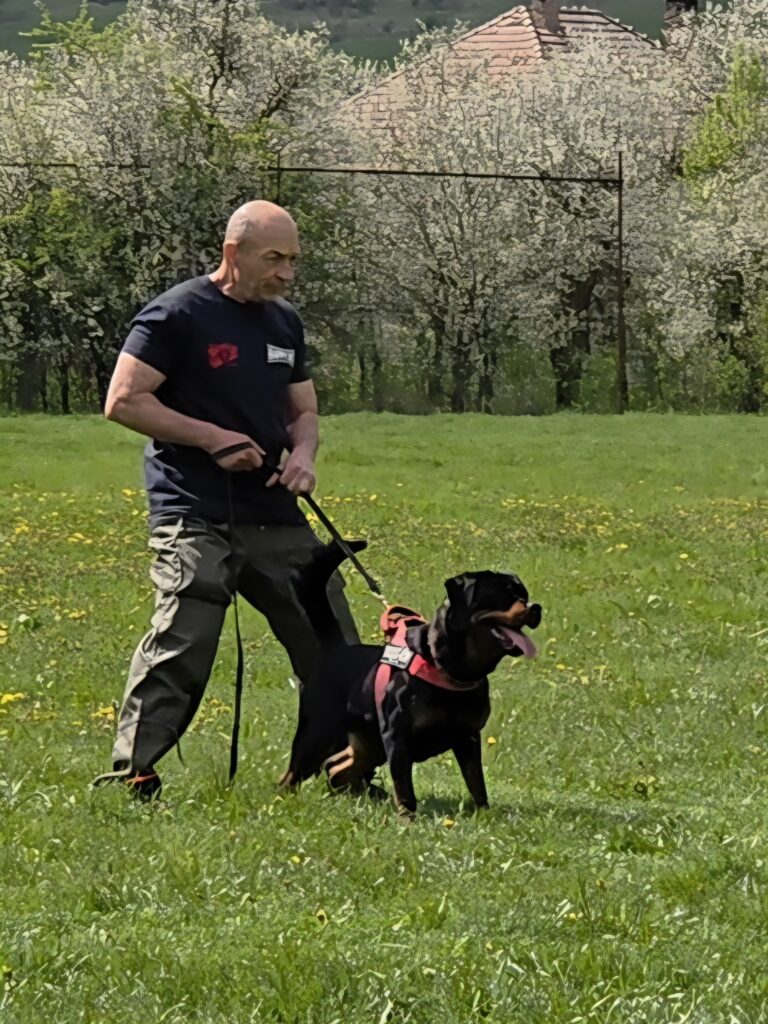
If you are evaluating a professional dog training school, start with the dogs themselves. Look beyond the command routine. Watch how the dogs behave between exercises. Are they frantic or composed? Do they recover quickly from stimulation? Can they settle? Can they move from work to neutrality without conflict?
Those details reveal the training philosophy. Stable dogs do not need to be constantly managed with tension. They should show confidence without unnecessary agitation.
Next, ask how the school selects dogs for training. Not every dog is suitable for advanced obedience or protection work. Good schools are honest about genetics, drives, environmental soundness, and temperament thresholds. They do not promise that any dog can be turned into a reliable protection candidate through effort alone. Selection matters. So does breeding.
Then examine how the school defines success. If the answer is built around titles, speed, or intensity alone, you may be looking at a program that prioritizes performance optics over daily reliability. If the answer includes stability in the home, safe public behavior, handler responsiveness, and controlled protective ability, that is a stronger sign.
Questions serious buyers should ask
Ask who does the training day to day. Ask how dogs are proofed around noise, people, surfaces, vehicles, and changing environments. Ask what transfer process is used when the owner takes possession. Ask what happens if the dog shows weakness, conflict, or unsound behavior during training.
The answers should be direct. Serious trainers do not hide behind vague language. They should be able to explain their standards, methods, and limitations without sales talk.
Why owner transfer matters as much as dog training
One of the biggest weaknesses in this industry is poor handoff. A dog may leave training with strong obedience and good working ability, then decline because the owner was not properly instructed.
A dependable school treats transfer as part of the program, not as an afterthought. The owner should learn command structure, handling mechanics, reward timing, correction standards, scenario management, and household rules. That process should be practical, not theoretical. You need to know what to do when someone approaches your property, when guests enter your home, when the dog is loaded into a vehicle, and when the dog needs to remain neutral.
This is especially important for family protection dogs. The dog must fit into real life without becoming ambiguous or over-activated. Clear rules protect the dog and everyone around it.
The role of breeding in a professional dog training school
Training can improve a dog’s behavior and channel natural drives, but it cannot manufacture a sound working character out of weak genetics. That is why the best schools pay close attention to breeding, even if they also train outside dogs.
Nerve strength, environmental confidence, sociability, recovery, grip tendencies, defensive expression, and trainability all have roots in genetics. If the dog starts with poor stability or unclear temperament, training often becomes management instead of development. That may be acceptable for basic obedience in some pet homes. It is not acceptable when the dog is expected to serve as a dependable deterrent or protection companion.
For that reason, serious buyers should view breeding and training as connected, not separate. A school that understands working bloodlines, developmental stages, and age-appropriate progression has a much stronger chance of producing dogs that hold up over time. That is one reason specialized providers such as Working Rottweilers focus so heavily on function, control, and proven working standards rather than appearance-driven results.
Red flags that should stop the conversation
Be cautious of any school that guarantees protection results on every dog, rushes young dogs into pressure work, or treats aggression as proof of quality. Aggression without clarity is not protection. It is instability.
You should also question programs that cannot show calm behavior outside formal drills, avoid discussing liability and owner responsibility, or rely heavily on fear-based theatrics to impress buyers. Serious training does not need exaggeration. The results speak for themselves in the dog’s steadiness, obedience, and ability to work under control.
Price should also be viewed realistically. Quality training is expensive because it requires time, skilled labor, proper dog selection, and ongoing evaluation. The cheapest option often becomes the most expensive once retraining, behavioral fallout, or unsuitable placement enters the picture.
Choosing the right fit for your goals
The best professional dog training school for a sport competitor may not be the best one for a family seeking a stable home and property protection dog. The right choice depends on what the dog needs to do, how the dog will live, and how much structure the owner is prepared to maintain.
If your priority is real-world security, look for a school that trains with that end use in mind. You want clean obedience, environmental confidence, clear-headed protection work, and a serious owner education process. You want a dog that can live in the house, travel in public, and respond decisively when needed without creating unnecessary risk.
That standard is higher than basic obedience and more disciplined than flashy protection demos. It requires experience, honesty, and a program built around long-term reliability.
When you choose a school, you are not just paying for training sessions. You are choosing the level of control, safety, and trust you will live with every day. Make that decision with the same seriousness you expect from the dog itself.
2 Comments